
Во всем мире руки намыливают миллиарды раз в день. И все же, если бы вас неожиданно спросили: "Из чего сделано мыло?" — смогли бы вы ответить? Давайте разберемся простым языком и посмотрим, что представляет собой мыло, которое сейчас стоит на полках.
Настоящее значение мыла: больше, чем просто брусок
Спросите большинство людей, что означает мыло, и вы услышите что-то вроде "то, что делает пузыри". Неплохо, но не совсем так.
Мыло не определяется своей формой, ароматом или красивой упаковкой. С химической точки зрения настоящее мыло — это нечто вполне конкретное, и понимание этого меняет подход к покупке.
Наука простым языком: соли жирных кислот
В своей основе мыло — это соль жирных кислот. Не позволяйте слову "соль" ввести вас в заблуждение — к соли для картофеля фри это не имеет никакого отношения.
Когда определенные жиры или масла вступают в реакцию со щелочью, в результате образуется семейство молекул, называемых солями жирных кислот. Именно они выполняют основную работу. Всё остальное — цвет, аромат, отшелушивающие частицы — всего лишь украшение.
Как мыло на самом деле очищает кожу
Вот в чем хитрость. У каждой молекулы мыла есть два конца с противоположными свойствами. В химии это называют гидрофильным и гидрофобным концами.
Один конец любит воду. Другой не любит воду, но любит масло и жир. Представьте их как крошечные магниты, тянущие в двух направлениях.
Эти молекулы ПАВ окружают капли масла и грязи, захватывая жир своим «любящим масло» хвостом, в то время как их «любящая воду» головка тянется к воде для ополаскивания. Этот прием — эмульгирование масел — позволяет воде смывать загрязнения, с которыми обычное полоскание никогда бы не справилось.
Короче говоря: мыло не растворяет грязь. Оно уносит ее с вашей кожи и в слив.
Откуда берется мыло? Процесс омыления
Каждый настоящий брусок мыла начинается с реакции, у которой есть звучное название: процесс омыления. Это звучит как кошмар из химической лаборатории. На самом деле это совсем не так.
Масла + щелочь = мыло
Рецепт почти до смешного прост. Возьмите жир или масло, добавьте щелочь (традиционно щелок — гидроксид натрия для твердых мыл, гидроксид калия для жидких) и дайте им прореагировать.
В ходе омыления щелочь расщепляет жир на глицерин и — как вы уже догадались — соли жирных кислот, которые мы называем мылом. В процессе щелочь расходуется, поэтому правильно изготовленное мыло не содержит остаточной щелочи. Подробнее об этом вопросе безопасности — в разделе FAQ.
Краткий экскурс в историю мыла
Мылоподобные вещества известны уже тысячи лет. Древние вавилонские таблички примерно 2800 года до н. э. описывают кипячение жиров с золой — это самый ранний известный рецепт омыления.
На протяжении веков мыло было предметом роскоши. Только в промышленную эпоху оно стало недорогим, стандартизированным и повсеместным. Сегодня автоматизированные производственные линии за час выпускают столько, сколько средневековый мыловар изготавливал за недели — причем с такой стабильностью, о которой старые мастера могли только мечтать.
Основные виды мыла на рынке сегодня
Пройдите по любому проходу магазина — и разнообразие может ошеломить. Но почти всё укладывается в несколько категорий. Вот честный обзор.
Кусковое мыло
Классика. Твёрдое, долговечное и, как правило, самое экономичное в пересчёте на одно мытьё. В последнее время кусковое мыло снова стало популярным, отчасти благодаря движению за отказ от пластика — ведь бутылку не нужно выбрасывать.
Однако качество сильно различается. Дешёвый брусок из супермаркета и хорошо разработанное мыло ощущаются как совершенно разные продукты.
Жидкое мыло & гель для душа
Удобно, гигиенично в общих ванных комнатах и позволяет легко контролировать количество средства. Гели для душа часто меньше опираются на настоящее мыло и больше — на синтетические ПАВ, чтобы обеспечить более мягкое ощущение и меньше сушить кожу.
Они не случайно доминируют на полке в душе: людям нравится пена и дозатор.
Мыло ручной работы & холодного способа изготовления
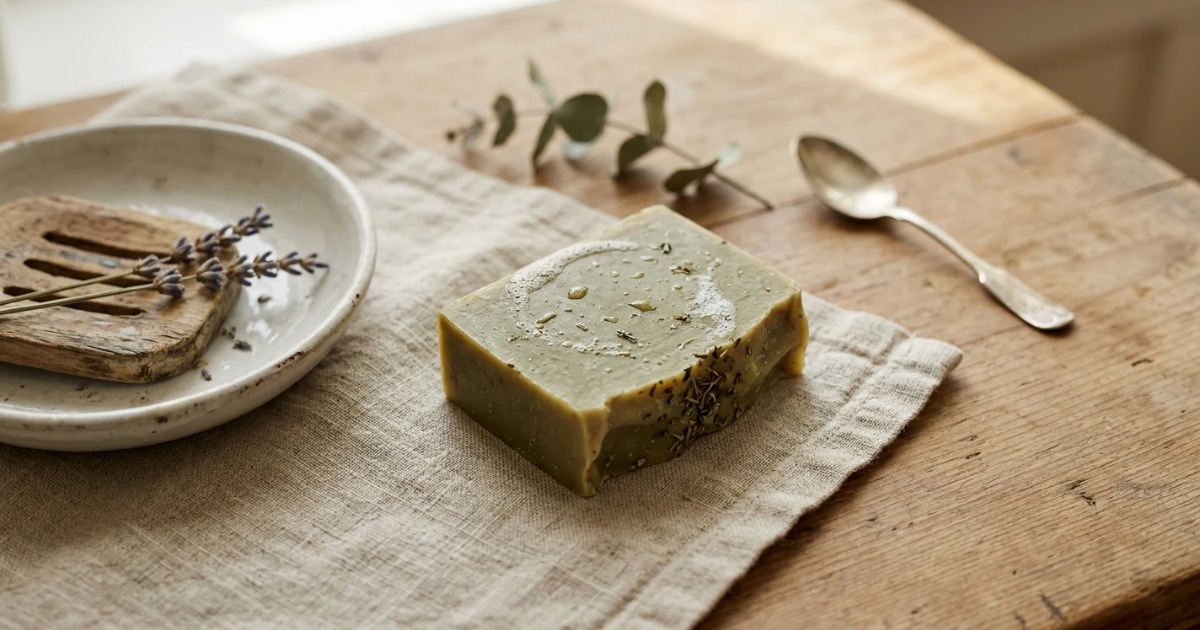
Изготовленное небольшими партиями без нагревания смеси, мыло холодного способа сохраняет натуральный глицерин — благодаря чему многие считают его более увлажняющим. Это ремесленный сегмент рынка.
Покупателям здесь важны ингредиенты, происхождение и история продукта. Это премиальный сегмент с лояльной аудиторией.
Специальное & оригинальное мыло
Здесь удовольствие встречается с импульсной покупкой. Представьте бомбочки для ванны, которые шипят и создают цветные завихрения, душевые паровые таблетки, высвобождающие эвкалиптовый пар, и мыло в форме чего угодно — от роз до резиновых уточек.
Эти продукты продаются за счёт эмоций и подарочной ценности, а не только практической пользы. Неудивительно, что это также одна из самых быстрорастущих категорий для ритейлеров, выстраивающих lifestyle-бренд.
Сравнительная таблица: виды мыла в кратком обзоре
| Тип мыла | Для чего лучше всего подходит | Текстура / форма | Типичные ингредиенты | Привлекательность на полке |
|---|---|---|---|---|
| Кусковое мыло | Повседневная практичность, покупатели, ориентированные на экологичность | Твёрдый брусок | Масла кокоса и пальмы, соли жирных кислот | Умеренная |
| Жидкое мыло / гель для душа | Общие ванные комнаты, душевые | Наливная жидкость или гель | Мягкие поверхностно-активные вещества, глицерин, отдушка | Высокая |
| Ручная работа / холодный процесс | Покупатели премиум-класса, предпочитающие натуральные продукты | Твердый брусок в деревенском стиле | Оливковое масло, масло ши, эфирные масла | Высокая (с акцентом на историю бренда) |
| Бомбочки для ванны | Подарки, ритуалы ухода за собой | Шипучая сфера | Пищевая сода, лимонная кислота, красители | Очень высокая |
| Шипучие таблетки для душа | Ароматерапия в душе | Твердая таблетка | Ментол, эфирные масла, базовая смесь | Очень высокая |
Что внутри вашего мыла? Объяснение распространенных ингредиентов
Переверните кусок мыла, и список ингредиентов может показаться иностранным языком. Давайте разберёмся в основных компонентах.
Базовые масла и жиры
Они составляют основу. Кокосовое масло придаёт твёрдость и даёт пышную пену. Оливковое масло мягко воздействует на кожу и ухаживает за ней. Пальмовое масло добавляет твёрдость и стабильную кремовую пену.
Смесь масел определяет почти всё, каким будет ощущение от мыла и как долго оно прослужит.
Добавки: ароматизаторы, красители и дополнительные компоненты
Ароматизаторы и эфирные масла создают впечатление. Отшелушивающие компоненты, такие как овсянка или семена мака, придают текстуру. Увлажняющие ингредиенты, такие как масло ши или добавленный глицерин, смягчают ощущение после применения.
Ни один из этих ингредиентов не очищает вас — это делают соли жирных кислот — но именно они часто становятся причиной, по которой покупатель выбирает один продукт вместо другого.
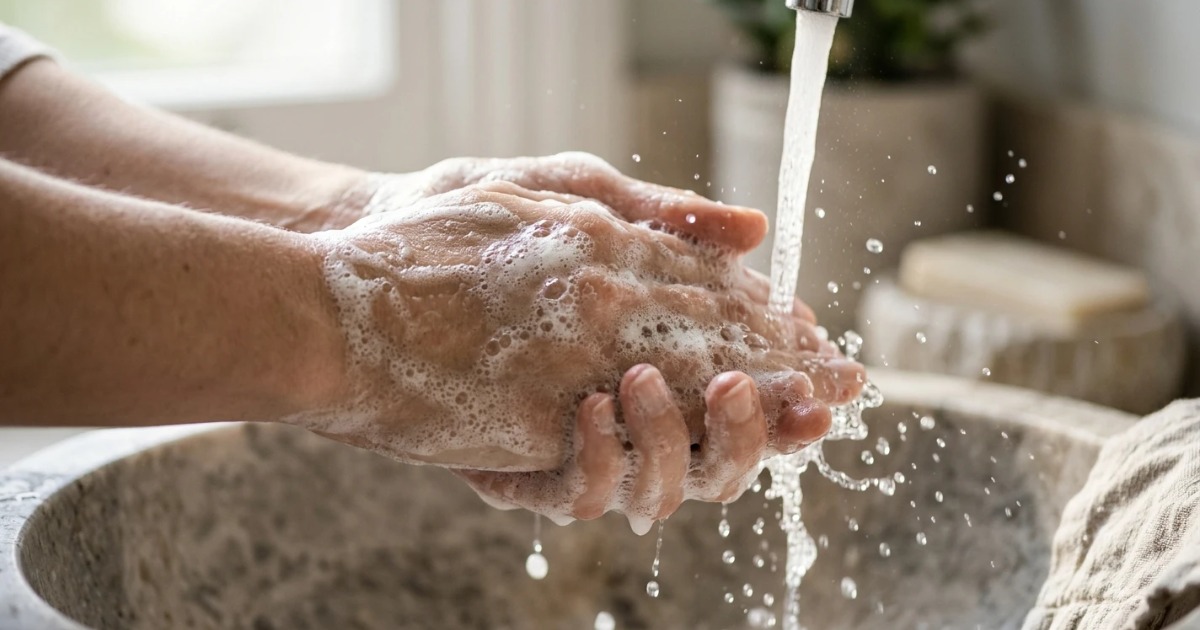
Таблица функций ингредиентов
| Ингредиент | Назначение | Ощущение / Преимущество |
|---|---|---|
| Кокосовое масло | Очищение & твёрдый брусок | Обильная, пышная пена |
| Оливковое масло | Кондиционирующая основа | Мягкое, бережное воздействие на кожу |
| Масло ши | Увлажняющая добавка | Кремовый, смягчающий финиш |
| Глицерин | Увлажняющий компонент | Притягивает влагу, меньше сушит |
| Эфирные масла | Отдушка & аромат | Преимущества аромата и влияния на настроение |
| Лимонная кислота | Шипящая реакция (бомбочки для ванны) | Шипучее пузырение |
Почему важны качество и производство
Вот правда, о которой индустрия не любит говорить: два мыла со практически идентичными списками ингредиентов могут ощущаться совершенно по-разному. Разрыв объясняется мастерством разработки формулы и контролем производства.
Разница, которую дают сертификаты
Когда в профиле поставщика вы видите такие обозначения, как GMP, ISO, FDA или SMETA, это не просто элементы оформления. GMP (Good Manufacturing Practice) регулирует гигиену и стабильность качества. ISO подтверждает стандартизированные системы качества.
Регистрация FDA важна для продуктов, продаваемых на рынке США, а SMETA указывает на этичные, проверяемые трудовые практики — все более обязательное требование для европейских и североамериканских ритейлеров. Вместе они говорят покупателю: этой фабрике можно доверять.
Знакомьтесь с Boymay: мыло, создаваемое с 1995 года
Именно здесь мы представляем себя. Boymay специализируется на производстве средств личной гигиены с 1995 года, уделяя особое внимание бомбочкам для ванны, шипучим таблеткам для душа и повседневным мыльным продуктам.
Площадь нашего предприятия составляет 40,000㎡, и на нем работают 16 автоматизированных производственных линий. Такой масштаб означает стабильность при больших объемах — одинаковое качество у первой и миллионной единицы. Мы разрабатываем программы OEM и ODM для брендов, которым важно, чтобы их формула была реализована должным образом.
Почему бренды и ритейлеры выбирают Boymay
Помимо сертификатов, обычно решают три фактора: короткие сроки выполнения, которые помогают поддерживать запасы на полках, низкие минимальные объемы заказа, снижающие риск запуска, и комплексные решения private label — от разработки формулы до готовой упаковки.
Мы работаем с брендами и ритейлерами по всей Северной Америке, Европе и Ближнему Востоку — от известных сетей до начинающих основателей.
Думаете о продаже или закупке мыла? Вот ваша возможность
Возможно, вы начали читать эту статью из простого любопытства о том, как работает мыло. Но если вы когда-либо задумывались о том, чтобы превратить этот интерес в линейку продуктов, продолжайте читать.
От личного фаворита к прибыльному продукту
Представьте собственную коллекцию бомбочек для ванны — ваши ароматы, ваши цвета, ваш логотип на упаковке. Рынок средств для ухода за собой продолжает расти, а покупатели все чаще выбирают небольшие, самобытные бренды вместо безликих гигантов.
Порог входа ниже, чем предполагает большинство людей. Вам не нужна фабрика. Вам нужен партнер, у которого она уже есть.
Как начать работу с индивидуальным заказом
Это проще, чем запуск большинства бизнесов:
Свяжитесь с нами и расскажите о своей идее продукта — аромате, форме или концепции.
Запросите образцы, чтобы оценить качество и ощущения перед принятием решения.
Утвердите формулу, упаковку и количество.
Получите коммерческое предложение с четкими сроками выполнения, затем переходите к производству.
Благодаря низкому MOQ вы можете протестировать рынок, не рискуя своими сбережениями ради склада, полного товарных запасов.
Заключение: теперь вы знаете, что такое мыло — готовы сделать его своим продуктом?
Итак, вот что мы имеем. Мыло — это соль жирной кислоты, состоящая из молекул поверхностно-активных веществ, которые эмульгируют масла и смывают загрязнения — результат многовековой реакции омыления между маслом и щелочью.
Вы также увидели весь спектр форматов: простые бруски, удобные гели для душа, ремесленные изделия холодного способа и притягательное шипение бомбочек для ванны и душевых парогенераторов.
Если сейчас вы задумались, как могла бы выглядеть ваша собственная линейка, это не случайно. Это возможность. Благодаря сертифицированным производственным площадкам, коротким срокам выполнения и низким минимальным объемам Boymay готов помочь вам превратить любимый продукт в собственный бренд. Свяжитесь с нами, чтобы запросить образцы или коммерческое предложение, и давайте создадим это вместе.
Часто задаваемые вопросы
В: Какое самое простое определение мыла?
О: Мыло — это соль жирных кислот — молекула с водолюбивым и маслолюбивым концами. Эти молекулы поверхностно-активных веществ захватывают жир и позволяют воде смыть его. В самом базовом смысле именно это и означает настоящее мыло.
В: Безопасно ли мыло, изготовленное с использованием щелочи?
О: Да. В процессе омыления щелочь полностью расходуется, вступая в реакцию с маслами. Правильно выдержанное мыло не содержит активной щелочи — только мягкие соли жирных кислот и оставшийся глицерин.
В: В чем разница между мылом и детергентом?
О: Настоящее мыло производится из натуральных масел и жиров. Детергенты — это синтетические поверхностно-активные вещества, разработанные в лаборатории. И то и другое очищает, но детергенты часто лучше работают в жесткой воде и широко используются в гелях для душа и чистящих средствах.
В: Какой тип мыла лучше всего подходит для чувствительной кожи?
О: Мягкие варианты с высоким содержанием глицерина — например, мыло холодного процесса или формулы без отдушек — обычно подходят лучше всего. Обратите внимание на увлажняющие масла и минимальное количество добавленных красителей. Если есть сомнения, сначала протестируйте средство на небольшом участке кожи.
В: Могу ли я создать собственный бренд мыла при низком MOQ?
О: Безусловно. Boymay специализируется на контрактном производстве private label с низким MOQ и быстрыми сроками, поэтому новые бренды могут запускать бомбочки для ванны, шипучие средства для душа или мыло без крупных предварительных заказов. Чтобы начать, запросите образцы.