
Если вам только что дали упаковку шипучих таблеток и сказали, что они помогут сохранить ваш ретейнер свежим, вы, вероятно, задаётесь вопросом, что делать дальше. Вы не одиноки. Это руководство предназначено для тех, кто носит ретейнеры и хочет получить понятный и практичный порядок ухода, чтобы устройство оставалось гигиеничным, прозрачным и комфортным в ношении.
Ниже вы найдёте простой пошаговый процесс, напоминания о мерах безопасности и ответы на самые распространённые вопросы новичков — всё изложено простым и понятным языком.
Что такое таблетки для чистки зубных протезов?
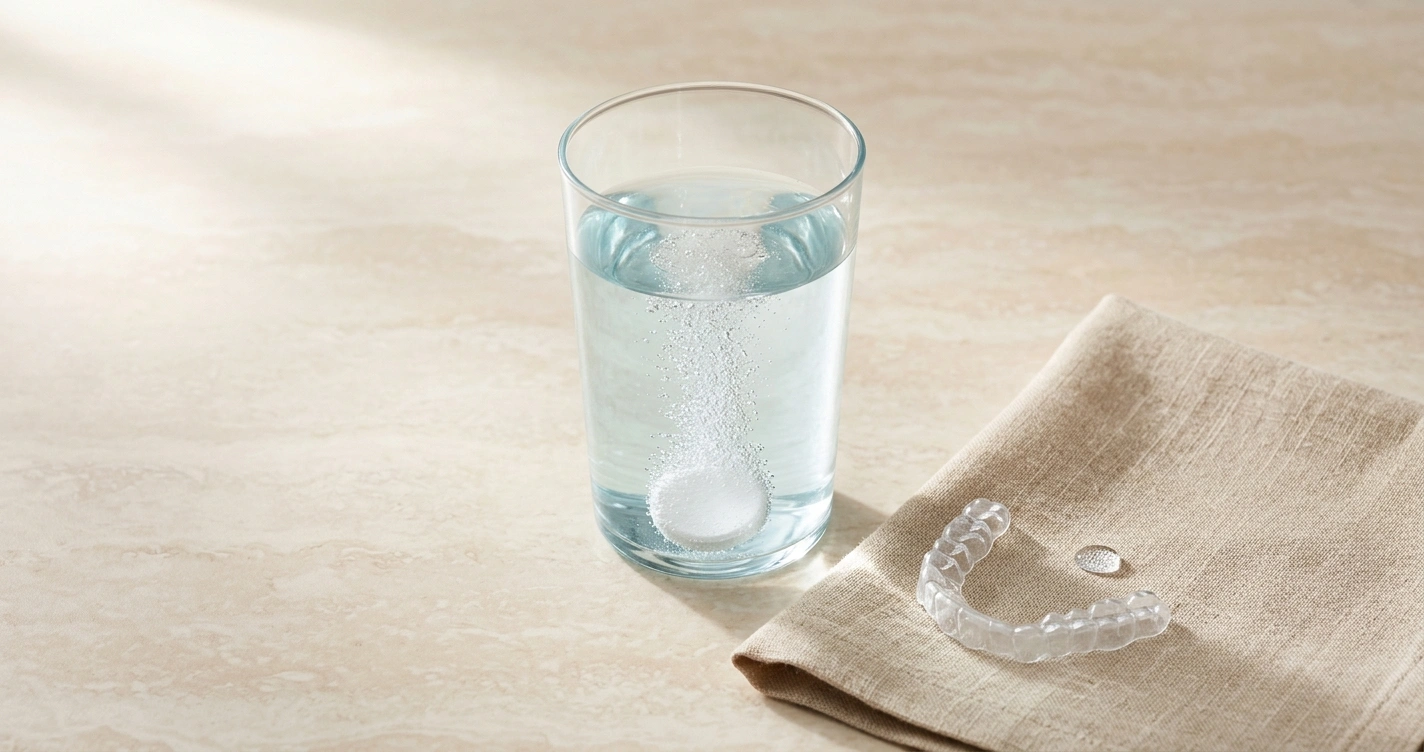
Таблетки для чистки зубных протезов — это небольшие шипучие таблетки, которые растворяются в воде, образуя пенящийся очищающий раствор. Обычно они содержат бикарбонат натрия, лимонную кислоту и мягкие окисляющие вещества. Вместе эти ингредиенты размягчают загрязнения и уменьшают количество бактерий, вызывающих неприятный запах.
Название говорит о «зубных протезах», но тот же шипучий очищающий раствор хорошо подходит и для ретейнеров, кап и прозрачных элайнеров. Химический состав не делает различий — он одинаково эффективно очищает большинство съёмных ортодонтических устройств.
Почему пользователи ретейнеров используют таблетки для чистки зубных протезов
На ретейнерах есть крошечные бороздки и контуры, до которых одна щетка не может полностью добраться. Шипучее действие таблеток для очистки зубных протезов удаляет частицы пищи, налет и биопленку из этих труднодоступных мест.
Быстрое замачивание часто оказывается быстрее и эффективнее, чем чистка щеткой. Оно также помогает сохранять устройство чистым и свежим на вид и запах.
Типы ретейнеров, которые можно очищать таблетками
Ретейнеры Hawley — вариант с проволокой и акрилом, как правило, подходит для очистки таблетками.
Прозрачные пластиковые ретейнеры (Essix) — обычно безопасны при более коротком времени замачивания.
Ретейнеры в стиле элайнеров — совместимы с большинством таблеток, но всегда проверяйте информацию на этикетке.
Если у вашего ретейнера есть необычные материалы или дополнительные элементы, перед замачиванием ознакомьтесь с инструкциями производителя по уходу.
Как таблетки для очистки зубных протезов действуют на ретейнеры
Научное объяснение шипения довольно простое. Когда таблетка попадает в воду, она высвобождает крошечные пузырьки кислорода и создает слабощелочной раствор, который размягчает и удаляет загрязнения.
Роль шипения в удалении загрязнений
Поднимающиеся пузырьки действительно работают. Они физически воздействуют на поверхность ретейнера, проникая в углубления, к которым щетинки не могут легко добраться. Это помогает удалять налет с ретейнеров без агрессивной чистки, которая могла бы поцарапать материал.
Антибактериальное действие и контроль запаха
Активные ингредиенты также сокращают количество бактерий, вызывающих неприятный запах ретейнера. В результате устройство ощущается более свежим — однако таблетки являются средством для очистки, а не лечением каких-либо заболеваний полости рта.
Пошагово: как использовать таблетки для очистки зубных протезов для ретейнеров
Вот схема, которой можно следовать в самый первый раз. У большинства людей весь процесс занимает менее 15 минут.
Шаг 1 — Промойте ретейнер под прохладной водой
Подержите ретейнер под прохладной проточной водой, чтобы смыть слюну и свободные частицы. Такое предварительное ополаскивание помогает раствору для замачивания работать эффективнее.
Шаг 2 — Наполните чистую ёмкость тёплой водой
Используйте чистый стакан или контейнер для замачивания ретейнера. Вода должна быть тёплой — ни в коем случае не горячей. Горячая вода может деформировать прозрачные пластиковые ретейнеры и изменить форму даже более прочных акриловых конструкций.
Шаг 3 — Опустите одну таблетку для очистки зубных протезов
Стандартно используется одна таблетка на одно замачивание. Дождитесь её полного растворения и окончания шипения, прежде чем погружать ретейнер (или сначала поместите ретейнер в воду — оба способа подходят).
Шаг 4 — Замачивайте в течение рекомендованного времени
Большинство средств рекомендуют замачивание на 5–15 минут. Всегда проверяйте этикетку именно ваших таблеток. Более длительное замачивание ортодонтических ретейнеров, чем рекомендовано, не сделает их чище — и со временем может повлиять на некоторые пластиковые материалы.
Шаг 5 — Аккуратно почистите мягкой зубной щёткой
После замачивания используйте зубную щетку с мягкой щетиной (отдельную, не ту, которой вы пользуетесь ежедневно), чтобы аккуратно очистить ретейнер. Это поможет удалить оставшуюся пленку, которую размягчил раствор. Не используйте зубную пасту — она слишком абразивна для поверхности ретейнера.
Шаг 6 — Тщательно ополосните перед использованием
Промойте ретейнер под прохладной проточной водой в течение нескольких секунд. Этот шаг крайне важен. Остатки чистящего раствора могут вызвать раздражение полости рта или оставить неприятный привкус.
Как часто следует замачивать ретейнер?
Для большинства людей замачивания с таблеткой два или три раза в неделю вполне достаточно. Тем, кто носит ретейнер ежедневно, может быть полезно более частое замачивание. Пользователям, которые надевают его только на ночь, обычно достаточно делать это реже.
Ежедневная легкая чистка и еженедельная глубокая очистка
Для ежедневного ухода вполне достаточно быстрого ополаскивания и аккуратной чистки с мягким мылом. Замачивание с таблеткой оставьте для более глубокой очистки несколько раз в неделю или на случай, если ретейнер начнет выглядеть или пахнуть необычно.
Признаки того, что ретейнер нужно почистить раньше
- Мутный или тусклый вид
- Белая пленка или меловой налет
- Стойкий запах
- Видимые загрязнения в пазах
Советы по безопасной очистке зубных протезов и ретейнеров
Таблетки просты в использовании, но несколько мер предосторожности помогут защитить ваш ретейнер от случайного повреждения и безопасно очистить зубные протезы.
Никогда не замачивайте в горячей или кипящей воде
Под воздействием тепла термопластичные ретейнеры быстро деформируются. Используйте только тёплую воду — комфортную на ощупь, без пара.
Не помещайте таблетки непосредственно в рот
Таблетки для очистки зубных протезов предназначены только для замачивания. Не разжёвывайте их, не глотайте и не используйте вместо ополаскивателя для рта.
Держите таблетки и раствор вдали от детей и домашних животных
Храните таблетки в сухом месте, недоступном для детей. Если кто-то случайно проглотит таблетку, немедленно свяжитесь с токсикологической службой или обратитесь за медицинской консультацией.
Не смешивайте с другими чистящими средствами
Никогда не смешивайте таблетки с отбеливателем, уксусом, ополаскивателем для рта или бытовыми чистящими средствами. Смешивание химических веществ может привести к выделению вредных паров или повредить ваш ретейнер.
Всегда тщательно ополаскивайте
Остатки раствора могут раздражать дёсны, язык или внутреннюю поверхность щёк. Тщательное ополаскивание после каждого замачивания обязательно.
Следите за аллергическими реакциями или повышенной чувствительностью
Если вы заметили раздражение, сохраняющийся необычный привкус или любую другую реакцию, прекратите использование продукта. Проконсультируйтесь со стоматологом или врачом перед продолжением использования.
Когда ретейнер следует заменить, а не очищать
Трещины, стойкое пожелтение, которое не удается удалить, деформация или плохая посадка указывают на одно: вам нужна замена, а не дополнительная чистка. Поврежденный ретейнер накапливает бактерии, которые невозможно полностью устранить никаким раствором для замачивания.
Распространенные ошибки начинающих
Использование слишком большого количества таблеток за один раз
Большее количество шипения не означает более высокую эффективность очистки. Используйте одну таблетку на одно замачивание, как указано в инструкции.
Замачивание на всю ночь по умолчанию
Люди часто считают, что более длительное замачивание работает лучше. Для ретейнеров — особенно прозрачных пластиковых — длительное замачивание обычно не рекомендуется и со временем может повредить материал.
Пропуск этапа чистки щеткой
Таблетки размягчают загрязнения. Именно мягкая щетка физически удаляет их. Если пропустить этот этап, часто остается едва заметная пленка.
Повторное использование старого раствора для замачивания
Использованный раствор содержит те самые бактерии и загрязнения, которые вы только что удалили. Начинайте каждый сеанс со свежей водой и новой таблеткой.
Альтернативные и дополнительные методы очистки
Мягкое мыло и деликатная чистка щеткой
Капля средства для мытья посуды без отдушки и мягкая зубная щетка — отличное решение для ежедневного ухода между замачиваниями в таблетированном растворе.
Таблетки для очистки ретейнеров
Таблетки для очистки ретейнеров разработаны с учетом более короткого времени замачивания и, как правило, имеют более щадящий состав, подходящий для тонких пластиковых конструкций. Если вы носите прозрачный ретейнер, их стоит рассмотреть.
Методы, которых следует избегать
- Зубная паста — обладает абразивным действием и царапает поверхность.
- Кипяток — деформирует и портит большинство ретейнеров.
- Отбеливатель или агрессивные бытовые чистящие средства — могут повредить изделие и быть потенциально небезопасными.
Хранение ретейнера между чистками
Используйте вентилируемый футляр для ретейнера
Вентилируемый футляр позволяет ретейнеру высыхать между использованиями, что препятствует размножению бактерий. Регулярно также протирайте футляр начисто.
Держите его подальше от источников тепла
Не оставляйте ретейнер на приборной панели автомобиля, на солнечных подоконниках или рядом с горячими поверхностями в ванной. Тепло — самый быстрый способ испортить посадку ретейнера.
Уход за зубными протезами и уход за ретейнером: ключевые различия
Если вы живёте в одном доме с человеком, который носит зубные протезы, полезно знать, что правильный уход за протезами и ретейнером — не одно и то же.
Различия в материалах
Зубные протезы обычно сочетают акрил и металл, тогда как в ретейнерах могут использоваться более тонкие и чувствительные к нагреву пластики. Это различие влияет на то, насколько длительное замачивание и интенсивную чистку может выдержать каждое изделие.
Различия во времени замачивания
Зубные протезы часто могут выдерживать более длительное замачивание, чем ретейнеры. Если вы носите ретейнер, придерживайтесь меньшей продолжительности в пределах рекомендованного диапазона, если только на упаковке прямо не указано иное.
Заключительные рекомендации по правильной дезинфекции зубных ретейнеров
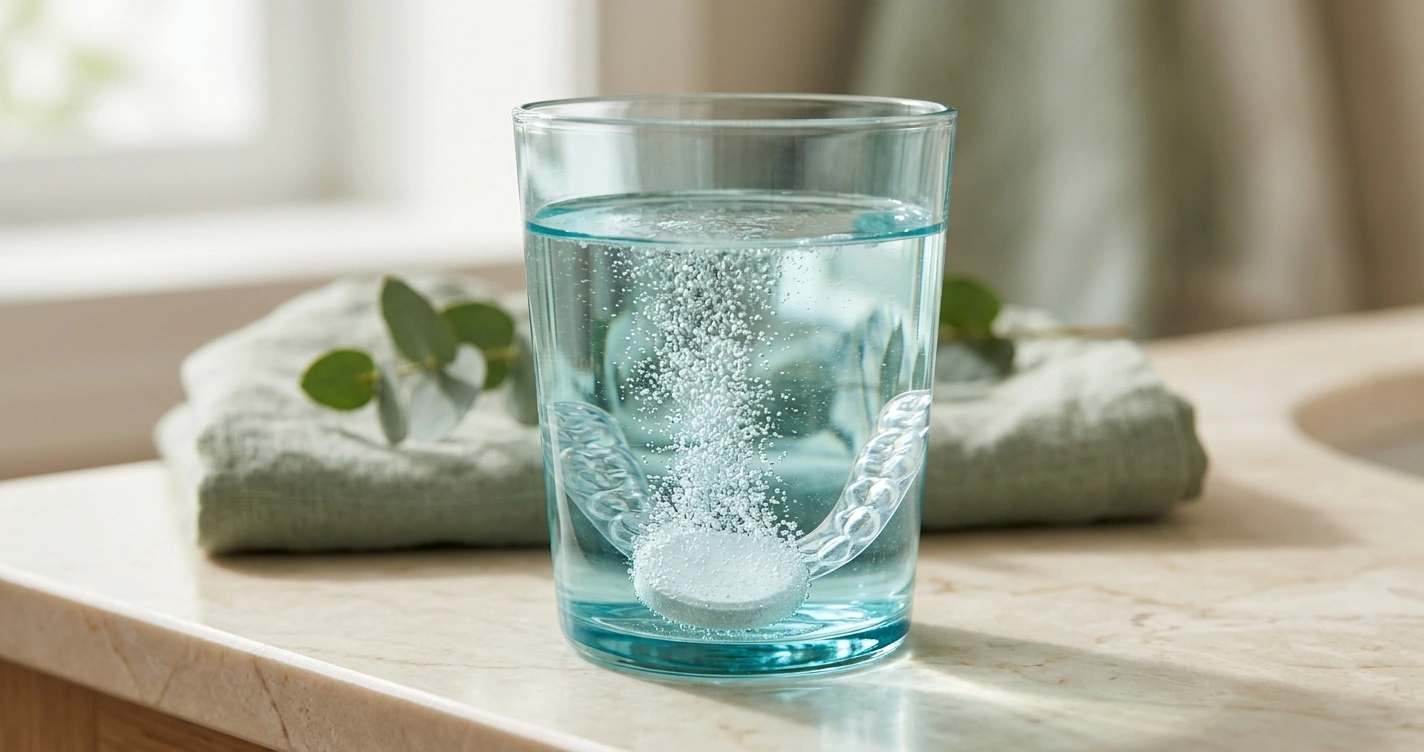
Поддерживать гигиену ретейнера не обязательно сложно. Основной уход прост: ополосните, замочите в свежеприготовленном шипучем растворе, аккуратно почистите щёткой, снова ополосните — затем храните в чистом вентилируемом футляре.
Используйте только тёплую воду, соблюдайте время замачивания, указанное на этикетке, и никогда не используйте таблетки во рту. Сделайте это привычкой, проявляйте немного заботы, и ваш ретейнер будет дольше оставаться более чистым, свежим и комфортным в ношении, сколько бы времени он вам ни был нужен.
Часто задаваемые вопросы
В: Можно ли использовать таблетки для чистки зубных протезов для прозрачных пластиковых ретейнеров?
О: В большинстве случаев да — но выбирайте таблетки с пометкой о безопасности для ретейнеров, элайнеров или прозрачных ортодонтических конструкций. Чтобы защитить пластик, время замачивания должно быть короче.
В: Как долго следует замачивать ретейнер в растворе?
О: Для большинства таблеток рекомендуется 5–15 минут. Всегда следуйте указаниям на упаковке, так как составы различаются.
В: Отбелят ли таблетки для зубных протезов пожелтевший ретейнер?
О: Таблетки могут освежить внешний вид и удалить поверхностные отложения, но они не устранят стойкие пятна, глубокое изменение цвета или царапины. Если ваш ретейнер выглядит изношенным, замена обычно является лучшим решением.
В: Безопасны ли таблетки для чистки зубных протезов для ежедневного использования?
О: Многие продукты рассчитаны на регулярное использование, но ежедневное замачивание требуется не всегда. Для большинства пользователей ретейнеров достаточно нескольких раз в неделю — уточняйте детали в инструкции к вашему продукту.
В: Можно ли оставлять ретейнер в растворе на ночь?
О: Как правило, это не рекомендуется. Длительное замачивание может повлиять на некоторые пластиковые материалы, а замачивания на 5–15 минут обычно достаточно. Если вам иногда нужно замачивать его дольше, используйте вместо этого обычную воду.
В: Что делать, если ретейнер все еще пахнет после замачивания?
О: Попробуйте более тщательно почистить ретейнер после замачивания, повторите процедуру с новой таблеткой и убедитесь, что ваш футляр для хранения чистый. Если запах сохраняется, на вашем ретейнере может быть стойкий налет — обратитесь к своему ортодонту по поводу замены.
В: Эти таблетки такие же, как таблетки для ополаскивателя для рта?
О: Нет. Таблетки для очистки зубных протезов предназначены исключительно для замачивания ортодонтических конструкций. Никогда не используйте их во рту, для полоскания или проглатывания.
В: Когда мне следует обратиться к стоматологу или ортодонту?
О: Обратитесь, если вы заметили стойкий налет, который не удается удалить, трещины или повреждения, изменение посадки или любой дискомфорт при ношении ретейнера. Ваш ортодонт может проконсультировать по вопросам очистки, ремонта или замены.