

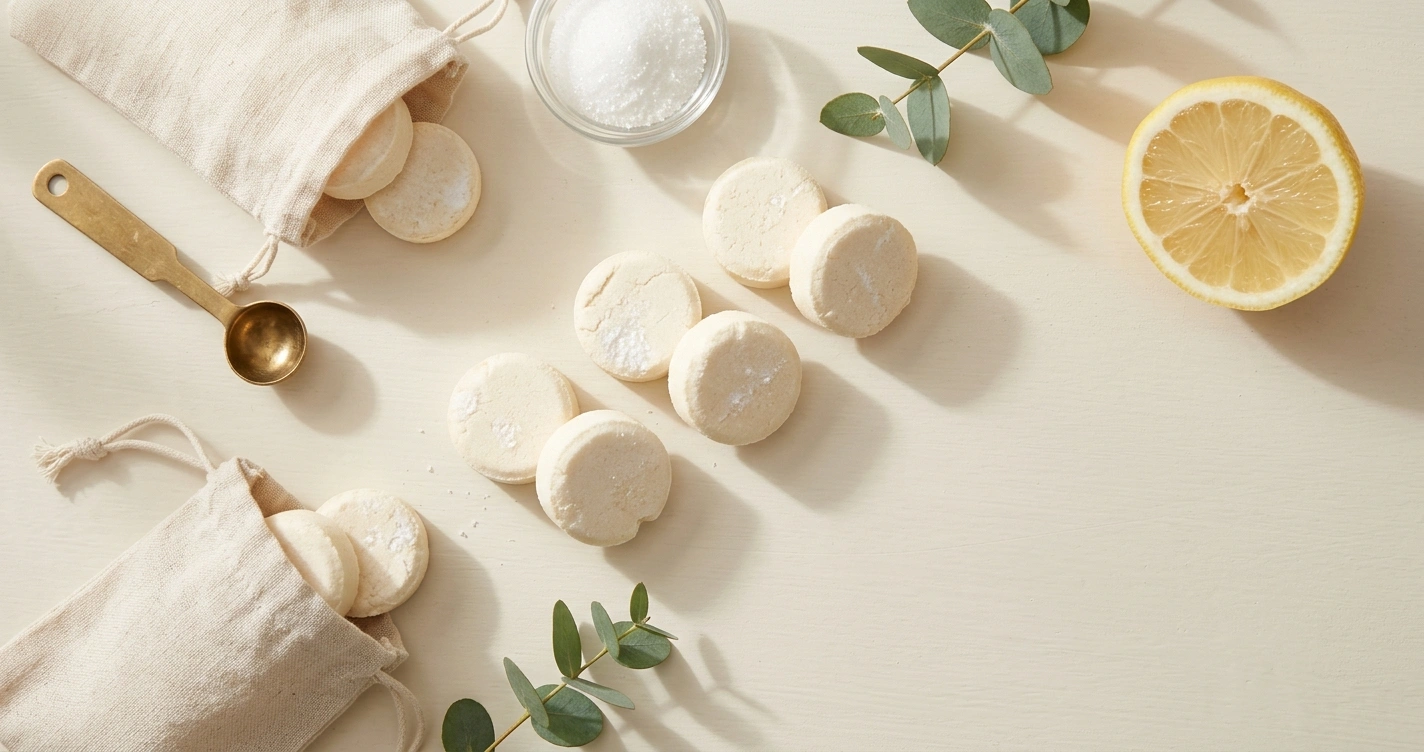
Шипучие чистящие таблетки стали популярным небольшим проектом для тех, кто хочет сократить количество пластиковой упаковки, упростить набор чистящих средств или попробовать более бережный подход к домашнему уходу. Если вы когда-либо задумывались, как сделать таблетки для чистки унитаза в домашних условиях, этот процесс действительно прост — однако у результата есть несколько важных оговорок.
В этом руководстве представлен базовый рецепт, пошаговая инструкция по приготовлению, рекомендации по использованию и правила безопасности, которыми ни в коем случае нельзя пренебрегать. Не менее важно и то, что здесь дается реалистичное понимание: самодельные таблетки могут поддерживать регулярный уход, но не являются полноценной заменой коммерческим дезинфицирующим чистящим средствам.
Почему люди пробуют самодельные таблетки для чистки унитаза
Интерес к самодельным таблеткам для чистки унитаза вырос вместе с более широким движением за сокращение отходов. Их привлекательность легко понять: меньше пластиковых бутылок, более низкая стоимость одного использования, больше контроля над ароматами и простой рецепт из доступных домашних ингредиентов.
Для домохозяйств, стремящихся сократить воздействие агрессивных химических веществ или просто ищущих небольшой и приятный DIY-проект, шипучие таблетки становятся удобной отправной точкой. Они также компактны при хранении, что особенно привлекательно для жителей небольших квартир.
Перед началом: эффективны ли самодельные таблетки для чистки унитаза?
Прежде чем что-либо смешивать, важно четко понимать, что эти таблетки могут и чего не могут делать. Реалистичные ожидания с самого начала помогут избежать разочарования позже.
Что самодельные таблетки действительно могут делать
Самодельные шипучие таблетки могут помочь удалить легкий поверхностный налет, освежить запахи и поддерживать общий уход между более тщательными чистками. Они удобны как простой промежуточный этап регулярного ухода.
Чего самодельные таблетки не могут делать
Они не равнозначны коммерческим дезинфицирующим средствам для чистки унитазов. Они не устраняют все бактерии или вирусы и не заменяют регулярную чистку щеткой или периодическую глубокую очистку. Тех, кто ожидает санитарной обработки больничного уровня от пищевой соды и лимонной кислоты, ждет разочарование.
Когда коммерческое чистящее средство остается лучшим выбором
Если кто-то в доме болен, если имеется сильный минеральный налет, видимая биопленка или стойкие пятна, более подходящим средством будет зарегистрированный коммерческий очиститель. Самодельные таблетки лучше рассматривать как дополнение к — а не замену — проверенным чистящим средствам.
Ингредиенты, которые вам понадобятся
В этом рецепте используется короткий список распространенных мягких компонентов. Скорее всего, большинство из них у вас уже есть.
Основные сухие ингредиенты
Пищевая сода (гидрокарбонат натрия) — основной компонент, обеспечивающий мягкое абразивное действие и контроль запаха.
Лимонная кислота — вступает в реакцию с пищевой содой в воде, создавая шипящий эффект.
Кукурузный крахмал — помогает связать таблетку и замедляет реакцию, чтобы она не крошилась.
Связующая жидкость (используйте умеренно)
Небольшого количества средства для мытья посуды, простой воды или спрея с гамамелисом достаточно, чтобы скрепить смесь, не вызывая преждевременного шипения. Здесь действительно лучше меньше, да лучше.
Дополнительные добавки
Несколько капель эфирного масла — например, лимонного, чайного дерева или эвкалиптового — могут добавить приятный аромат. Используйте в небольшом количестве, чтобы избежать раздражения кожи или маслянистого налёта.
Типичный пример пропорции
Надёжная отправная пропорция: 1 cup baking soda, ½ cup citric acid, and 1 tablespoon cornstarch. Добавляйте связывающую жидкость только в виде лёгкого распыления и остановитесь, как только смесь начнёт держать форму при сжатии.
Необходимые инструменты
Вам не потребуется ничего специализированного. На большинстве кухонь уже есть всё необходимое.
Инструменты для смешивания
Подойдут стеклянная или из нержавеющей стали миска, силиконовая лопатка или венчик, а также небольшой распылитель для жидкого связующего компонента. Избегайте реакционноспособных металлов, таких как алюминий.
Инструменты для формовки
Хорошо подойдут силиконовые формы, лотки для льда или мини-формы для маффинов. Силикон значительно облегчает извлечение из формы после высыхания таблеток.
Защитные средства
Используйте перчатки и, по возможности, защиту для глаз. Порошок лимонной кислоты может раздражать кожу и глаза, а мелкая пыль пищевой соды может вызывать дискомфорт при вдыхании.
Пошаговое руководство: как сделать таблетки для чистки унитаза
Следуйте шагам по порядку. Спешка — особенно при добавлении жидкости — является самой распространённой причиной неудачных партий.
Шаг 1: Подготовьте рабочее место
Наденьте перчатки, откройте окно или включите вытяжной вентилятор и освободите ровную поверхность. Убедитесь, что ваши формы полностью сухие.
Шаг 2: Смешайте сухие ингредиенты
Взбейте венчиком пищевую соду, лимонную кислоту и кукурузный крахмал до однородного цвета и текстуры. Аккуратно разбейте все комки лопаткой.
Шаг 3: Добавьте эфирное масло (необязательно)
Если вы хотите добавить аромат, добавьте всего несколько капель и быстро перемешайте для равномерного распределения. Слишком большое количество масла размягчает таблетки и может раздражать кожу во время использования.
Шаг 4: Медленно добавляйте связующую жидкость
Распылите раствор средства для мытья посуды, воду или гамамелис по одному лёгкому проходу за раз, перемешивая между распылениями. Нужно добиться текстуры влажного песка, которая держит форму при сжатии — а не мокрой пасты.
Шаг 5: Избегайте преждевременного шипения
Если вы видите, что в миске появляются пузырьки, значит, вы добавили жидкость слишком быстро. Добавьте небольшое количество пищевой соды, чтобы впитать влагу и замедлить реакцию.
Шаг 6: Утрамбуйте в формы
Плотно утрамбуйте смесь в силиконовые формы или лотки для льда. Сильное и равномерное нажатие помогает таблеткам сохранить форму после высыхания.
Шаг 7: Дайте им высохнуть
Оставьте таблетки сохнуть на воздухе на 12–24 часа в прохладном сухом месте. Во влажной среде — включая большинство ванных комнат — может потребоваться больше времени для высыхания.
Шаг 8: Извлеките из формы и проверьте
После полного затвердевания аккуратно извлеките таблетки из формы. Если какие-то из них крошатся, просто снова смешайте их, слегка распылив связующее вещество, и заново спрессуйте.
Шаг 9: Переложите в герметичный контейнер
Сразу переложите готовые таблетки в герметичную банку, чтобы защитить их от влаги. Воздействие влажного воздуха снизит их шипучие свойства.
Как использовать самодельные таблетки для чистки унитаза
Пользоваться вашими самодельными таблетками для чистки унитаза просто, но несколько небольших привычек действительно имеют значение.
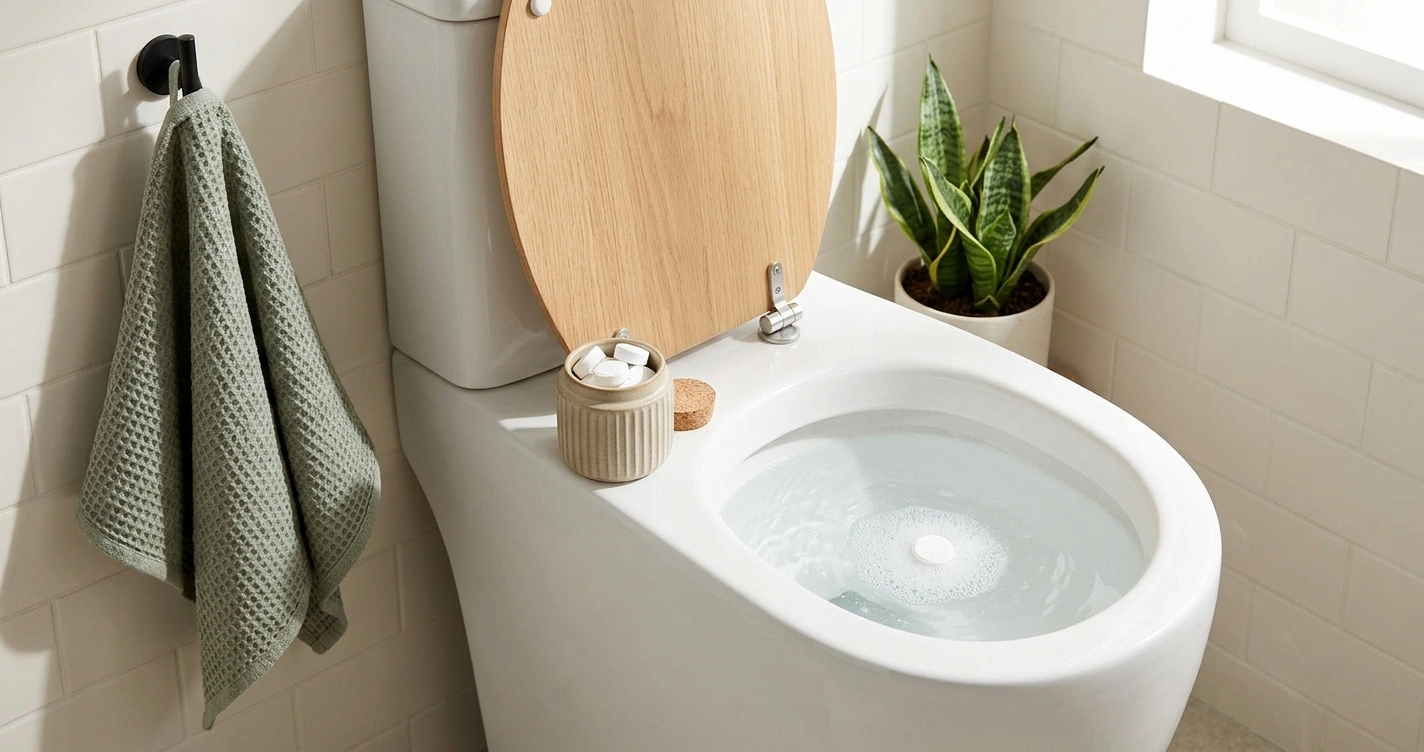
Шаг 1: Опустите одну таблетку в унитаз
Используйте по одной таблетке за раз. Берите их сухими руками или щипцами — влажная кожа может преждевременно вызвать шипение.
Шаг 2: Дайте таблетке зашипеть и раствориться
Подождите, пока видимое шипение прекратится, обычно это занимает несколько минут. Шипение помогает распределить чистящий раствор по чаше.
Шаг 3: Дайте Средству Кратко Подействовать
Оставьте раствор в чаше примерно на 5–10 минут. Это дает мягким ингредиентам больше времени, чтобы размягчить легкие загрязнения.
Шаг 4: Почистите Щеткой для Унитаза
Чистка щеткой по-прежнему необходима. Одна лишь таблетка не удалит въевшиеся загрязнения — основная видимая работа выполняется именно механической чисткой.
Шаг 5: Спустите Воду и При необходимости Повторите
Для стойких пятен позже повторите обработку еще одной таблеткой — не одновременно. Никогда не сочетайте вашу самодельную таблетку со вторым чистящим средством в одном цикле смыва.
Советы по Хранению
То, как вы храните таблетки, влияет на то, насколько эффективно они будут работать спустя несколько недель.
Используйте Герметичные Контейнеры
Лучше всего подходят стеклянные банки с плотно закрывающимися крышками. Не оставляйте таблетки на влажном воздухе ванной комнаты, так как это быстро снизит их шипучесть.
Храните Вдали От Тепла и Влаги
Храните в прохладном, сухом шкафу — не на бачке унитаза, не рядом с душем и не под раковиной, где возможны протечки.
Четко маркируйте
Укажите на контейнере содержимое и дату изготовления. Большинство партий самодельных таблеток для чистки унитаза лучше использовать в течение 1–2 месяцев.
Храните в недоступном месте
Храните вдали от детей, домашних животных и пищевых продуктов. Даже мягкие ингредиенты могут причинить вред при проглатывании или попадании в глаза.
Меры предосторожности
Эти правила обязательны к соблюдению. "Натуральный" не означает автоматически отсутствие риска, особенно когда речь идет о химии.
Никогда не смешивайте с другими чистящими средствами
Не смешивайте с отбеливателем.
Не смешивайте с чистящими средствами на основе аммиака.
Не смешивайте с сильными кислотами или сильными щелочными чистящими средствами.
Не используйте вместе с любым другим средством для чистки унитаза в рамках одного цикла смыва.
Смешивание обычных чистящих средств может привести к выделению токсичных газов. Если сомневаетесь, тщательно смывайте средство перед использованием следующего и проветривайте помещение.
Используйте эфирные масла умеренно
Избыток масла может вызвать раздражение кожи, повредить некоторые виды пластика и оставить скользкий налет. Для одной партии достаточно нескольких капель.
Защищайте кожу, глаза и органы дыхания
Используйте перчатки при смешивании и применении. Проветривайте ванную комнату во время использования. Пыль лимонной кислоты может раздражать дыхательные пути при вдыхании.
Храните вдали от детей и домашних животных
Любопытные руки и носы не понимают разницы между бомбочками для ванны и чистящими таблетками. Храните средство надежно и в недоступном месте.
Не помещайте таблетки в бачок унитаза
Если это прямо не разрешено и вашей конкретной формулой, и инструкцией производителя унитаза, используйте таблетки только в чаше. Размещение в бачке со временем может вызвать коррозию резиновых уплотнителей и металлических компонентов.
Осторожно при наличии септической системы
Если у вас установлена септическая система, перед регулярным использованием проверьте, совместимы ли ваши конкретные ингредиенты — особенно эфирные масла и средство для мытья посуды — с такой системой. Разовое использование обычно допустимо; ежедневное использование может быть нежелательным.
Прекратите использование при появлении реакции
Если вы почувствуете резкий запах, раздражение кожи, головную боль или любую необычную реакцию, прекратите использовать таблетки, проветрите помещение и промойте открытые участки кожи водой.
Распространенные ошибки, которых следует избегать
Большинство неудачных партий связано с небольшим числом предотвратимых ошибок.
Добавление слишком большого количества жидкости слишком быстро
Это основная причина, по которой таблетки начинают шипеть преждевременно в чаше унитаза или распадаются в форме. Распыляйте очень мелко и перемешивайте после каждого прохода.
Пропуск кукурузного крахмала
Без связующего вещества таблетки обычно крошатся до полного высыхания. Кукурузный крахмал также замедляет реакцию, благодаря чему шипение в чаше унитаза длится дольше.
Использование влажных форм
Даже небольшое количество влаги в формах может вызвать преждевременную реакцию. Тщательно высушите формы перед заполнением смесью.
Хранение до полного высыхания
Мягкие таблетки, слипшиеся внутри банки, — частая проблема. Если сомневаетесь, дайте им просохнуть еще несколько часов.
Чрезмерное использование эфирных масел
Больше аромата не означает большую очищающую силу — и может вызывать раздражение кожи или дыхательных путей. Умеренность позволяет получить более качественные и безопасные таблетки.
Когда не стоит использовать самодельные таблетки для унитаза
Существуют ситуации, когда выбрать коммерческий продукт — более разумное и безопасное решение.
Болезнь
Если у кого-либо в доме кишечная инфекция, грипп или любое другое заразное заболевание, перейдите на дезинфицирующее чистящее средство, зарегистрированное EPA, пока все полностью не выздоровеют. Самодельные шипучие таблетки не имеют подтверждённой эффективности, необходимой для прерывания распространения патогенов, и во время активной болезни это действительно важно.
Жёсткая вода и минеральные отложения
В домах с очень жёсткой водой вы можете заметить ржавые кольца или меловые кальциевые отложения ниже уровня воды. Лимонная кислота в самодельных таблетках помогает замедлить образование новых отложений, но обычно её концентрации недостаточно, чтобы растворить плотный уже существующий налёт. Специальное средство для удаления накипи или пемза справятся с этой задачей эффективнее.
Видимая плесень, грибок или биоплёнка
Розовый или чёрный слизистый налёт под ободком — это признак биологического загрязнения, для устранения которого требуется настоящий дезинфектант. Сначала устраните проблему, а затем вернитесь к самодельным таблеткам для регулярного поддержания чистоты, когда чаша унитаза будет чистой.
Санузлы общего пользования или с доступом для посетителей
Съёмное жильё, объекты краткосрочного размещения и общие санузлы на рабочих местах, как правило, требуют документированного санитарного регламента. В таких случаях используйте маркированные коммерческие продукты, чтобы у вас был чёткий стандарт для соблюдения.
Устранение проблем с вашей партией
Даже у самых аккуратных мастеров иногда попадаются необычные партии. Вот как распознать признаки проблемы.
Таблетки крошатся при извлечении из формы
Смесь была слишком сухой или недостаточно плотно утрамбованной. Снова раскрошите всё обратно в миску, добавьте один или два лёгких распыления связующего вещества и снова спрессуйте с большим усилием.
Таблетки расширились или потрескались в форме
Во время сушки происходила медленная продолжающаяся реакция — обычно из-за влажности воздуха или слишком большого количества жидкости. В следующей партии уменьшите количество связующего наполовину и сушите в менее влажном помещении.
Слабое шипение или его отсутствие в унитазе
Лимонная кислота могла уже вступить в реакцию во время смешивания или хранения. Проверьте, что ваша банка для хранения полностью герметична, и не оставляйте крышку открытой в наполненной паром ванной комнате. Если партии больше двух месяцев, скорее всего, пора приготовить свежую.
В унитазе остаётся маслянистый налёт
Обычно это указывает на слишком большое количество эфирного масла или средства для мытья посуды. В следующий раз уменьшите оба компонента вдвое и быстро пройдитесь ёршиком со смывом, чтобы удалить плёнку.
Заключительные мысли
Изучение того, как делать таблетки для чистки унитаза, — это полезный и недорогой проект, который легко вписывается в более широкий уклад с меньшим количеством отходов. При реалистичном использовании — как средства поддерживающей чистки наряду с регулярной чисткой щёткой и периодической более глубокой уборкой — они помогают сохранять унитаз свежим на вид и по запаху между более основательными чистками.
Сохраняйте реалистичные ожидания, соблюдайте правила безопасности при смешивании химических веществ и воспринимайте этот рецепт как основу, которую можно со временем доработать. Простая банка домашних таблеток на полке — это небольшой, практичный шаг к более аккуратному шкафу с чистящими средствами и более осознанному ведению хозяйства.
Часто задаваемые вопросы
В: Как часто можно использовать самодельные таблетки?
О: Для регулярного ухода разумной частотой для большинства домохозяйств будет два-три раза в неделю. Ежедневное использование, как правило, не требуется и может негативно сказаться на септических системах.
В: Можно ли использовать уксус вместо лимонной кислоты?
О: Нет — уксус является жидкостью и немедленно вступит в реакцию с пищевой содой, испортив всю смесь. Именно порошок лимонной кислоты позволяет реакции произойти позже, уже в чаше унитаза.
В: Безопасны ли эти таблетки для всех унитазов?
О: Как правило, они безопасны для стандартных фарфоровых чаш при использовании по инструкции. Если ваш унитаз имеет специальные покрытия или производитель предупреждает не использовать кислотные чистящие средства, следуйте этим рекомендациям.
В: Можно ли увеличить объём рецепта?
О: Да, но сначала делайте небольшие пробные партии, чтобы подобрать правильное соотношение связующего вещества для вашего климата. Крупные партии, изготовленные в условиях высокой влажности, более подвержены преждевременному шипению.