

Вы купили великолепную коллекцию бомбочек для ванны, убрали их в шкафчик в ванной комнате, а теперь — спустя несколько недель — они едва шипят при контакте с водой. Знакомая ситуация? Вы не одиноки. Бомбочки для ванны — удивительно деликатный продукт, и без надлежащего ухода они теряют свои свойства быстрее, чем можно ожидать.
Хорошая новость в том, что несколько простых изменений в способе хранения и обращения с бомбочками для ванны помогут сохранить их свежесть, шипучесть и аромат на несколько месяцев дольше. Вот всё, что вам нужно знать о сохранении свежести бомбочек для ванны и о том, как получить максимум от каждой из них.
Почему бомбочки для ванны не хранятся вечно
Что приводит к потере шипучести бомбочек для ванны
Чтобы понять, почему бомбочки для ванны теряют свежесть, полезно разобраться, как они работают. Приятное шипение, которое вы видите, когда бомбочка попадает в воду, возникает благодаря простой химической реакции между двумя сухими ингредиентами: лимонной кислотой и пищевой содой (бикарбонатом натрия). Когда вода активирует эти два соединения, они выделяют углекислый газ — те самые чудесные пузырьки, которые превращают купание в спа-процедуру.
Но есть одна проблема. Эта реакция не будет вежливо ждать вашей ванны. Любая влага — даже влажность воздуха в вашей ванной комнате — может запустить её преждевременно. Как только эта медленная, незаметная реакция начинается, бомбочка постепенно теряет свою шипучую силу, а вы даже не замечаете этого.
Помимо шипения, срок годности ингредиентов бомбочки для ванны — это реальная проблема. Эфирные масла, ароматические масла, натуральные масла и красители, входящие в состав бомбочек, имеют собственные сроки хранения. Масла могут прогоркнуть. Ароматы выветриваются. Красители разрушаются. Со временем даже идеально сухая бомбочка не подарит тех же ощущений, что и свежеизготовленная.
Признаки того, что бомбочки для ванны испортились
Не уверены, стоит ли ещё использовать ваши бомбочки для ванны? Обратите внимание на эти характерные признаки:
- Слабое шипение или его отсутствие — Если бомбочка опускается на дно и просто лежит там, лимонная кислота и пищевая сода уже частично прореагировали.
- Выцветшие цвета — Яркие оттенки, ставшие тусклыми или меловыми, обычно указывают на воздействие ультрафиолета или разрушение ингредиентов.
- Слабый аромат — Если вам приходится подносить бомбочку прямо к носу, чтобы что-то почувствовать, аромат испарился или разрушился.
- Крошение или растрескивание — Структурные изменения означают, что влага проникла внутрь и нарушила спрессованную форму.
- Расширение или вздутие — Это сигнализирует об активной химической реакции, происходящей внутри самой бомбочки.
- Маслянистый налёт или необычная текстура — Масла тают и мигрируют на поверхность, либо прогоркают.
Если вы заметили один или два из этих признаков, ваша бомбочка уже не на пике свежести, но, скорее всего, всё ещё безопасна для использования. Просто она не подарит того роскошного впечатления, на которое вы рассчитывали.
Главные враги свежести бомбочек для ванны
Влажность и воздействие влаги
Влага — враг номер один. И, к сожалению, большинство людей хранят свои бомбочки для ванны в единственном помещении, которое по сути является фабрикой влажности — в ванной комнате.
Каждый горячий душ наполняет воздух паром. Эта влага оседает на поверхностях, проникает в упаковку и незаметно запускает реакцию шипения внутри ваших бомбочек для ванны. Даже если снаружи бомбочки выглядят нормально, окружающая влажность способна разрушать их изнутри.
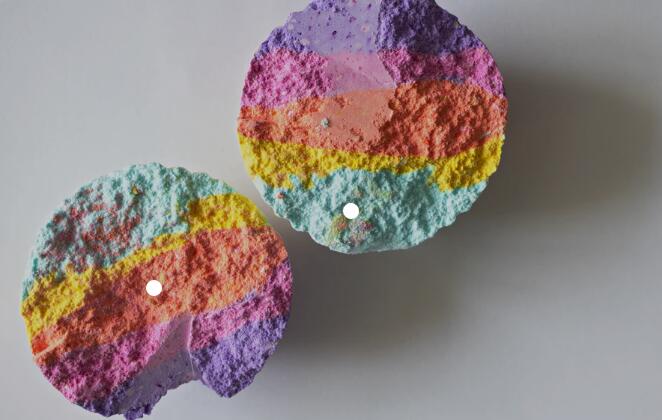
Для эффективного контроля влажности при хранении шипучих бомбочек для ванны старайтесь держать их в помещении, где относительная влажность не превышает 50%. В вашей ванной комнате после душа влажность легко достигает 70-80%. Это прямой путь к потере шипучести бомбочек.
Тепло и прямые солнечные лучи
Тепло — вторая серьёзная угроза. Многие бомбочки для ванны содержат масло какао, масло ши, кокосовое масло или другие натуральные жиры, которые размягчаются и плавятся при относительно низких температурах. Тёплый подоконник или полка рядом с радиатором могут привести к разрушению этих ингредиентов, и ваша бомбочка станет жирной, деформированной или рассыпчатой.
Прямые солнечные лучи наносят двойной ущерб. Ультрафиолет обесцвечивает красители, придающие бомбочкам для ванны их привлекательный вид, а также ускоряет разрушение ароматических соединений — особенно натуральных эфирных масел. Бомбочка для ванны, оставленная на солнце на несколько недель, может стать выцветшей и практически лишиться запаха.
Воздействие воздуха с течением времени
Даже в прохладном и сухом помещении воздействие воздуха постепенно берёт своё. Кислород взаимодействует с натуральными маслами и растительными ингредиентами в процессе окисления, постепенно делая их прогорклыми или выдохшимися. Ароматические вещества молекула за молекулой испаряются в окружающий воздух.
Именно поэтому бомбочки для ванны без упаковки портятся заметно быстрее, чем те, что хранятся в герметичной упаковке. Красивая открытая витрина с бомбочками на полке может выглядеть достойно для публикации в соцсетях, но по сути это обратный отсчёт до потери их свежести.
Проверенные советы по хранению бомбочек для ванны
Выберите подходящую ёмкость
Лучшее, что вы можете сделать для своих бомбочек для ванны — это изолировать их от воздуха и влаги. Когда речь идёт о герметичных ёмкостях для хранения бомбочек для ванны, у вас есть несколько хороших вариантов:
- Стеклянные банки с резиновыми уплотнительными крышками — банки Mason, Weck или любые стеклянные ёмкости с надёжным уплотнителем прекрасно подходят. Они непористые, легко моются, и вы по-прежнему сможете любоваться своими бомбочками сквозь стекло.
- Вакуумные пакеты — если вы храните бомбочки для ванны длительное время, вакуумная упаковка практически полностью исключает контакт с воздухом. Это особенно полезно при оптовых покупках или хранении больших партий ручной работы.
- Пластиковые контейнеры с многоразовой крышкой — контейнеры для хранения продуктов с защёлкивающимися крышками доступны по цене и эффективны. Выбирайте те, которые маркированы как герметичные или непроливаемые.
- Термоусадочная плёнка или пищевая плёнка — индивидуальная упаковка каждой бомбочки создаёт дополнительный барьер, даже внутри большего контейнера.
Совет от профессионалов: положите пакетик силикагеля в контейнер для хранения. Эти маленькие влагопоглощающие саше (такие же, как в коробках с обувью и электроникой) отлично вытягивают остаточную влагу из воздуха внутри герметичных ёмкостей. Для лучшего результата заменяйте их каждые несколько месяцев.
Выберите идеальное место для хранения
Место хранения бомбочек для ванны имеет не меньшее значение, чем ёмкость, в которой вы их храните. Идеальное место должно быть:
- Прохладным — комнатная температура или чуть ниже, в идеале от 60 до 72°F (15-22°C)
- Сухим — вдали от любых источников воды, пара или влажности
- Тёмным — защищённым от прямых солнечных лучей и яркого искусственного освещения
Отличные варианты — полка в шкафу спальни, бельевой шкаф в коридоре, ящик комода или даже кухонная кладовая (при условии, что она находится не рядом с плитой). Главное правило сохранения свежести бомбочек для ванны простое: не храните их в ванной комнате до того момента, пока не будете готовы использовать одну из них.
Если вы живёте в особенно влажном климате, рассмотрите возможность хранения герметичных контейнеров рядом с небольшим портативным осушителем воздуха или в комнате с кондиционером, где влажность контролируется естественным образом.
Обращайтесь бережно
Несколько привычек при обращении с бомбочками заметно влияют на результат:
Берите чистыми и сухими руками. Естественные масла и влага на коже могут переноситься на бомбочки для ванны и запускать процесс их разрушения. Если вы перебираете контейнер, выбирая нужную, старайтесь не трогать те, которые кладёте обратно.
Не складывайте друг на друга и не перегружайте контейнер. Бомбочки для ванны — это прессованный порошок, а не твёрдый камень. Если складывать тяжёлые бомбочки друг на друга, это может привести к растрескиванию и крошению. Оставляйте им немного свободного пространства при хранении.
Чередуйте запасы. Используйте сначала более старые бомбочки, а новые покупки размещайте сзади. Такой подход "первым пришёл — первым ушёл" гарантирует, что ничто не будет забыто на дне контейнера на целый год.
Особенности хранения различных типов бомбочек для ванны
Бомбочки для ванны с добавлением сухоцветов и декоративных элементов
Бомбочки для ванны, украшенные сушёными лепестками цветов, травами, бутонами лаванды или лепестками роз, выглядят невероятно красиво. Однако эти растительные добавки имеют свой недостаток: со временем они могут вносить влагу и даже создавать риск появления плесени.
Сушёные цветы не всегда идеально обезвожены. Остаточная влага, запертая в лепестках, может постепенно активировать реакцию шипения изнутри. Во влажных условиях на растительных элементах может даже появиться плесень — не то, что вы хотите обнаружить в воде для купания.
Рассчитывайте на то, что бомбочки с большим количеством растительных элементов имеют более короткий срок годности. Для наилучшего результата старайтесь использовать их в течение 3-4 месяцев после покупки.
Бомбочки для ванны со свежими или натуральными ингредиентами
Некоторые ремесленные бомбочки для ванны содержат скоропортящиеся ингредиенты, такие как козье молоко, мёд, пюре из свежих фруктов или высокие концентрации нерафинированных натуральных масел. Такие составы отличаются роскошью, но значительно менее стабильны при хранении.
Бомбочки для ванны с козьим молоком и мёдом лучше хранить в холодильнике, если вы не планируете использовать их в течение нескольких недель. Всегда уточняйте у производителя конкретные рекомендации. Формулы с высоким содержанием масел могут прогоркнуть — вы заметите резкий, неприятный запах, явно отличающийся от предполагаемого аромата. Если сомневаетесь, доверяйте своему обонянию.
Магазинные и домашние бомбочки для ванны
Промышленные бомбочки для ванны от крупных производителей часто содержат консерванты, стабилизаторы и защитные покрытия, такие как полисорбат 80, которые помогают продлить срок их годности. Некоторые из них даже индивидуально упакованы в пластиковую плёнку или термоусадочную плёнку на заводе. При минимальном уходе они могут храниться более года.
Бомбочки для ванны ручной работы с ремесленных ярмарок, магазинов Etsy или вашей собственной кухни, как правило, не содержат таких промышленных добавок. В этом и заключается их привлекательность — более простые и натуральные ингредиенты. Но это также означает, что им требуется более тщательное хранение.
Если вы делаете бомбочки для ванны дома, лучшие советы по хранению ваших изделий включают индивидуальное оборачивание в пищевую плёнку сразу после полного затвердевания, а затем помещение в герметичный контейнер с пакетиками силикагеля. Подписывайте дату изготовления, чтобы отслеживать свежесть.
На какой реальный срок хранения можно рассчитывать?
Общие рекомендации по срокам годности
При правильных условиях хранения большинство бомбочек для ванны сохраняют хорошее качество от 6 месяцев до 1 года. Вот примерная разбивка:
- Магазинные с консервантами: 12-18 месяцев
- Стандартные ручной работы (масла и ароматизаторы): 6-12 месяцев
- С преобладанием растительных или натуральных ингредиентов: 3-6 месяцев
- Свежие/скоропортящиеся ингредиенты: 1-3 месяца
Факторы, сокращающие срок годности: неправильное хранение, высокая влажность, частое использование и формулы с большим содержанием летучих эфирных масел. Факторы, продлевающие срок годности: герметичное хранение, климат-контроль, консерванты промышленного класса и защитная упаковка.
Когда выбрасывать, а когда ещё можно использовать
Старая бомбочка для ванны, потерявшая часть шипучести, не опасна — просто менее эффектна. Её по-прежнему можно использовать для приятного купания. Цвета могут быть приглушёнными, а аромат — мягче, но увлажняющие масла и соли всё ещё выполняют свою функцию.
Однако если вы заметили плесень, прогорклый запах или значительное изменение цвета (особенно тёмные пятна), пора её выбросить.
У вас есть запас бомбочек для ванны, которые уже не в лучшей форме, но ещё не испорчены? Проявите креативность:
- Раскрошите их в ванночку для ног для лёгкой спа-процедуры
- Разложите кусочки в ящиках комода в качестве лёгких ароматизаторов
- Растворите их в тёплой воде для ароматного спрея для помещения (процедите перед использованием в пульверизаторе)
- Используйте их как освежители для унитаза — бросьте одну и дайте ей пошипеть
Краткий чек-лист по хранению
Вот краткое руководство по хранению бомбочек для ванны в идеальном состоянии:
Рекомендуется:
- Хранить в герметичных контейнерах (стеклянных банках, вакуумных пакетах или закрытых пластиковых ёмкостях)
- Хранить в прохладном, сухом и тёмном месте вдали от ванной комнаты
- Оборачивать каждую бомбочку отдельно в пищевую плёнку или папиросную бумагу для дополнительной защиты
- Добавлять пакетики с силикагелем в контейнер для хранения
- Использовать более старые бомбочки раньше новых
- Брать только чистыми и сухими руками
- Проверять на наличие признаков порчи каждые несколько месяцев
Не рекомендуется:
- Хранить в ванной комнате, где постоянно присутствуют пар и влажность
- Оставлять без упаковки на открытых полках или под прямыми солнечными лучами
- Складывать тяжёлые бомбочки для ванны друг на друга
- Игнорировать рекомендации производителей по сроку годности
- Хранить бомбочки для ванны с растительными или свежими ингредиентами дольше рекомендованного срока
Сезонные рекомендации: Летняя жара и влажность особенно губительны для бомбочек для ванны, поэтому в тёплые месяцы уделяйте особое внимание герметичному хранению. Сухой воздух в помещении зимой, напротив, играет вам на руку — низкая влажность снижает риск преждевременной активации.
В конечном счёте бомбочки для ванны созданы для удовольствия. Не копите их бесконечно в ожидании идеального момента. Покупайте столько, сколько используете в разумные сроки, храните правильно и балуйте себя шипучей ароматной ванной, пока они ещё в лучшей форме. Вы в будущем — нежась в ванне, полной красок и пузырьков — скажете себе спасибо.