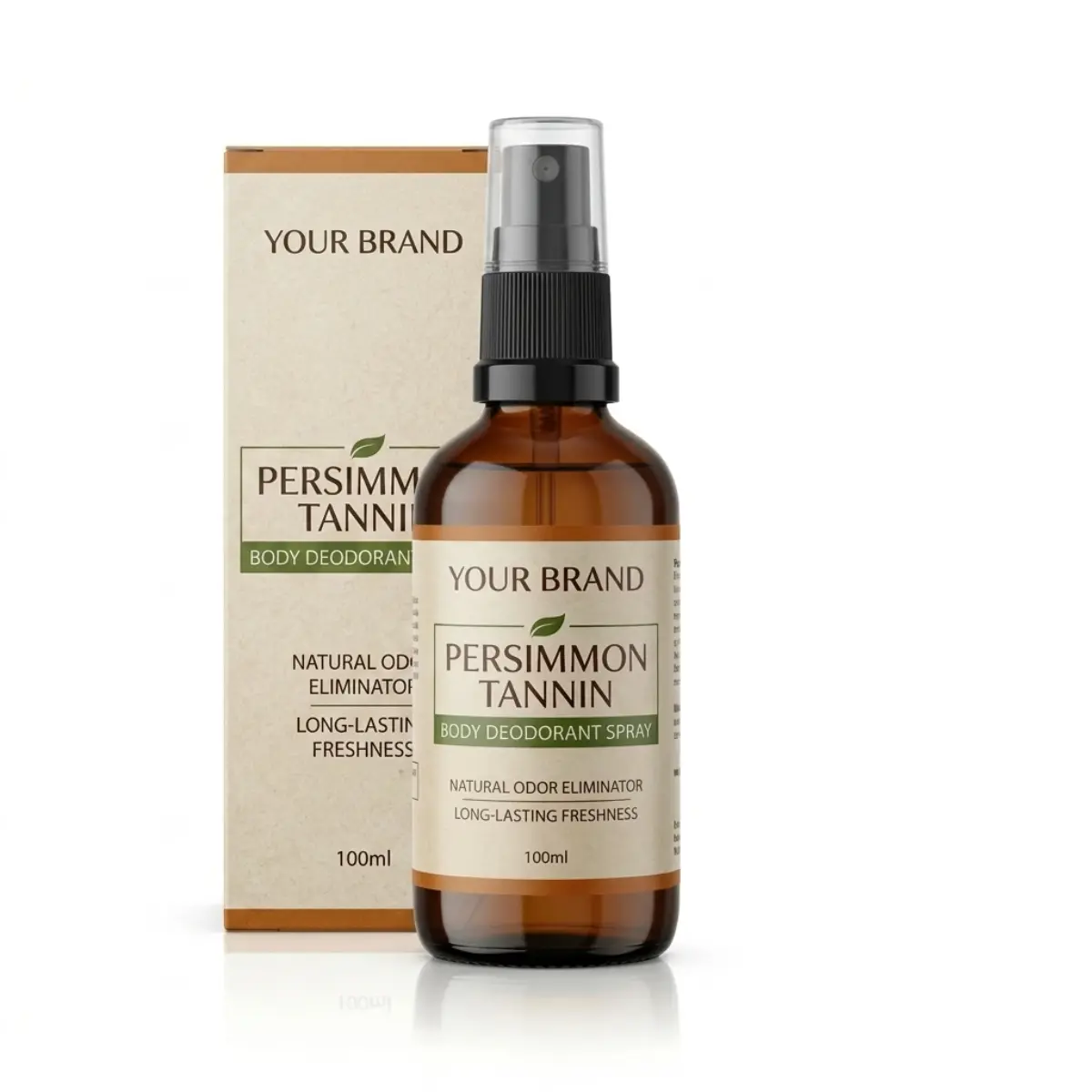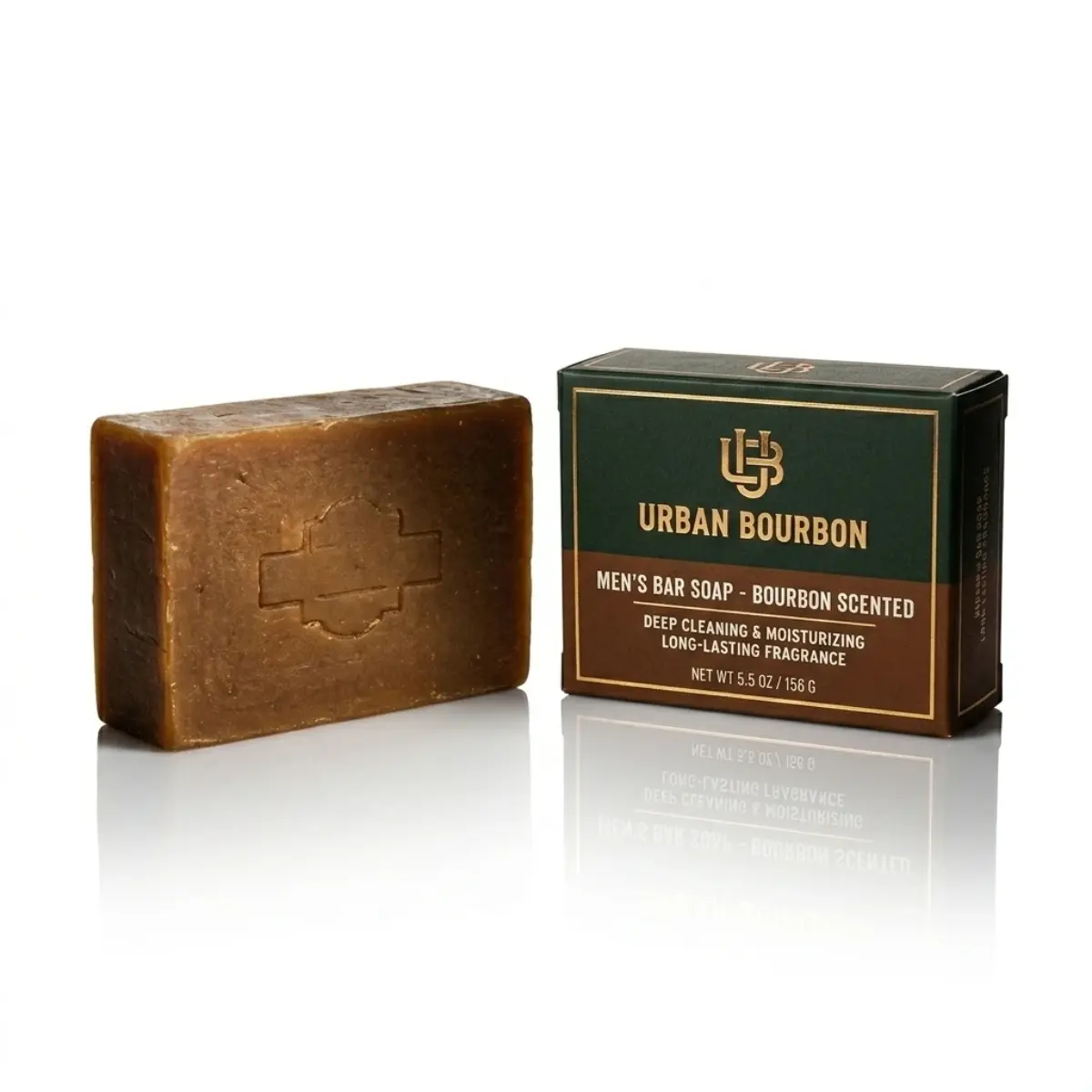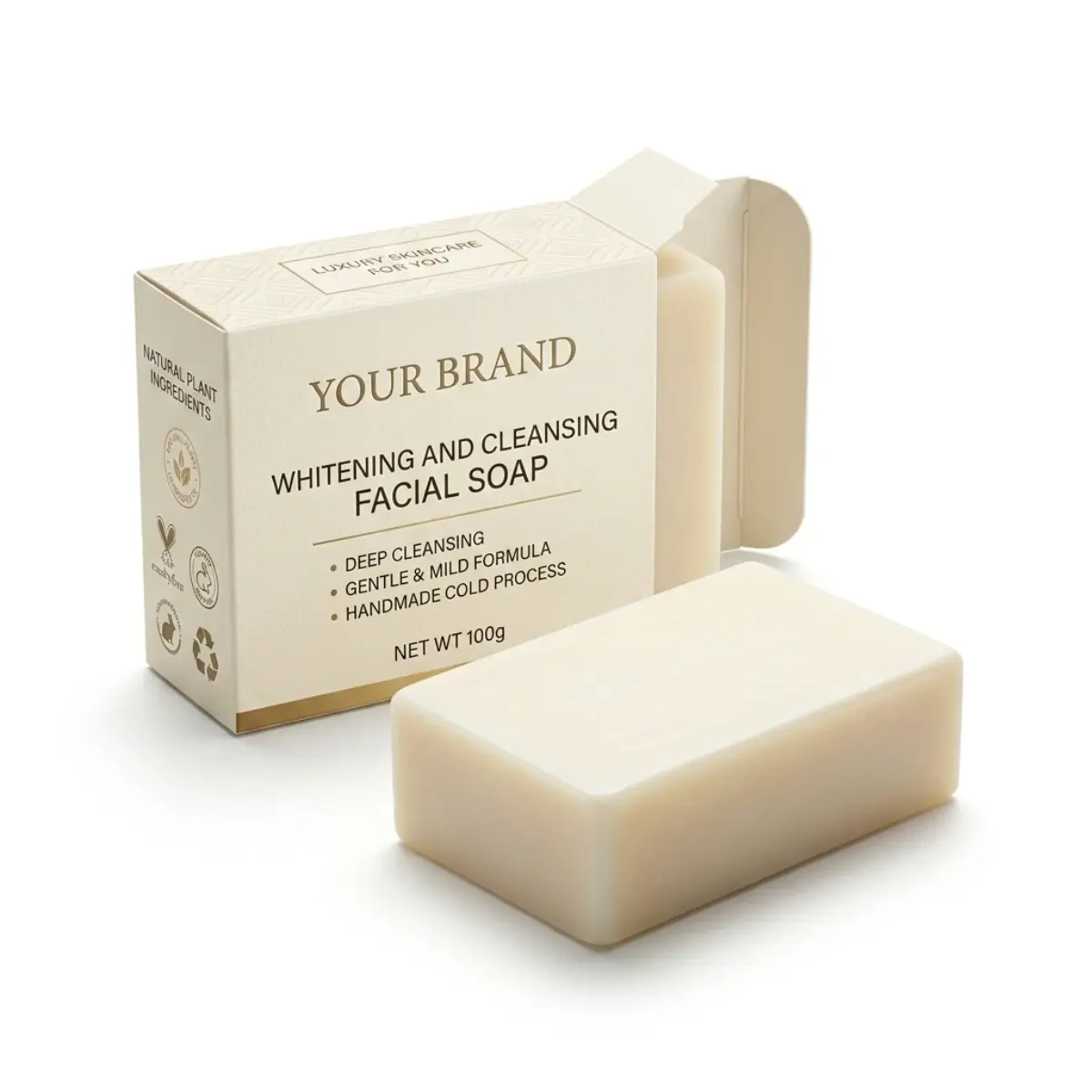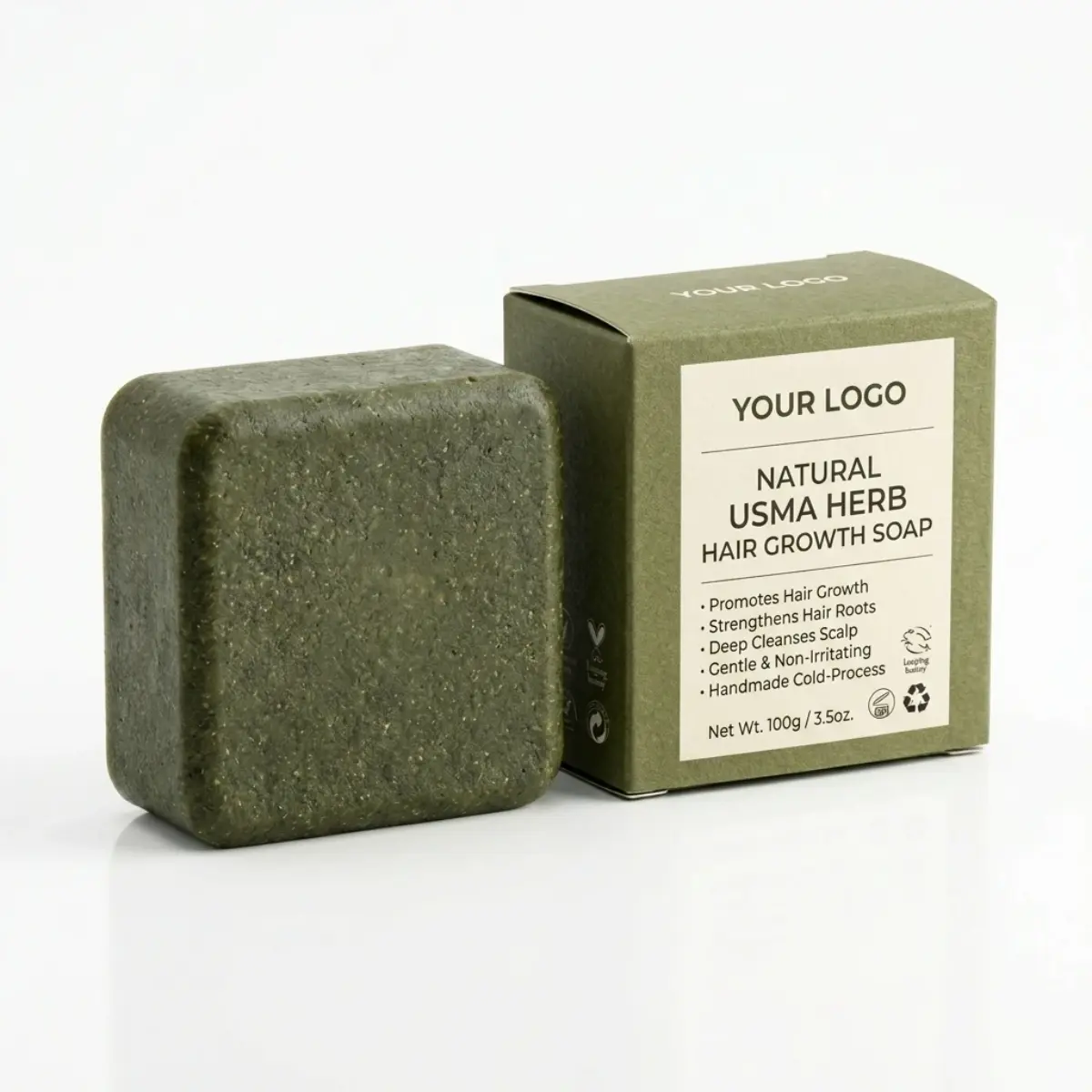

Рассматриваете мыло с хурмой в качестве линии под собственным брендом? Сравните каки-сибу и экстракт, маржу и как выбрать лучшего поставщика для индивидуальных оптовых заказов.
Коротко: да, мыло с хурмой может стать удачной линией под собственным брендом — но только если маржа, позиционирование и поставщик совпадают друг с другом. Если рассматривать его как обычный брусок, конкурирующий по цене, оно быстро проигрывает на фоне потока мыла с ши и углём, уже заполонившего полки.
Я наблюдал, как владельцы брендов поддавались на подачу про "экзотический ингредиент" и заказывали 5 000 брусков мыла, даже не проверив, искал ли кто-то этот продукт на самом деле. Этот материал — оценка практика, а не рекламная подача. Давайте посмотрим, где этот продукт оправдывает своё место, а где он незаметно съедает деньги.
Краткий ответ, прежде чем закупать партию товара
Мыло с хурмой работает как продукт под собственным брендом, если вы ориентируетесь на конкретную нишу — дезодорирующий уход за кожей, мягкий вяжущий уход или позиционирование в духе японского наследия. Оно теряет позиции, как только вы пытаетесь продавать его как обычное очищающее мыло с фруктовой изюминкой. История ингредиента реальна, но она приносит результат только тогда, когда бренд изначально строится вокруг этой истории, а не когда её добавляют задним числом.
Если у вас уже есть канал сбыта и аудитория, которую волнует натуральный контроль запаха или ритуалы J-beauty, это один из лучших нишевых брусков, под который можно поставить своё имя. Если вы просто гонитесь за необычным SKU, продолжайте читать — вы, скорее всего, сами себя отговорите, и это честный итог для большинства.
Кому этот продукт действительно подходит
- Бутиковые бренды по уходу за кожей с аудиторией с жирной или комбинированной кожей.
- Линии SPA- и гостиничных косметических наборов, желающие получить отличающийся продукт с историей.
- Продавцы натуральных альтернатив дезодорантам, расширяющиеся в сегмент ухода за телом.
- Кураторы подарочных наборов, которым нужен премиальный продукт, вызывающий разговоры.
Кому стоит пропустить это? Любому, кто создаёт массовый продукт для ценовой конкуренции, и любому, у кого нет желания объяснять клиентам, что такое каки-сибу. Если вы не можете рассказать историю, вы не сможете продать маржу.
Что такое мыло с хурмой на самом деле (и почему покупатели путаются)
Вот ловушка, в которую попадает большинство байеров прайвет лейбл. "Мыло с хурмой" — это расплывчатое название, охватывающее два совершенно разных продукта, и некоторые поставщики намеренно размывают границу, чтобы продать более дешёвую формулу по премиальной цене.
Одна версия — это стандартная мыльная основа с добавлением экстракта хурмы — приятная, мягкая и по сути косметический наполнитель. Другая — это подлинное мыло какисибу, изготовленное из ферментированного танина хурмы, традиционного японского вяжущего средства, которое веками использовалось для окрашивания и устранения запахов. Это не один и тот же продукт, и они не заслуживают одинаковой цены.
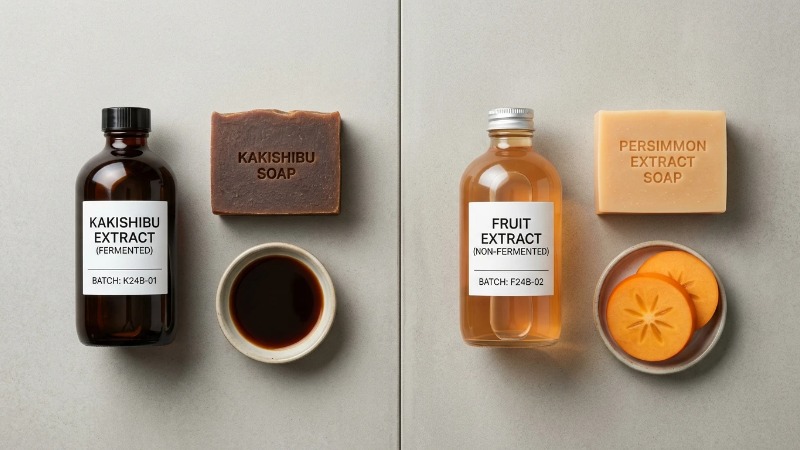
Какисибу против экстракта хурмы — ингредиент, который меняет вашу маржу
Важное активное соединение — это танин хурмы, иногда называемый каки-танин. Это полифенол, обладающий реальной способностью связывать молекулы, вызывающие запах, и подтягивать поверхность кожи. Ферментированный какисибу концентрирует это соединение, поэтому аутентичные версии оправданно продаются по-настоящему дороже.
Мыло с экстрактом фруктов содержит лишь малую долю этого количества танина. Оно дешевле в производстве, но не может достоверно подтвердить дезодорирующие свойства, которые в первую очередь делают эту категорию интересной. Запрашивая коммерческое предложение, уточните, какой именно процент формулы приходится на какисибу, а какой — на отдушку и экстракт. Ответ покажет, что вы на самом деле покупаете.
Заявление об устранении запаха тела: что можно и нельзя говорить
Позиционирование мыла с хурмой как средства от запаха тела вполне обосновано — танин действительно связывает соединения, вызывающие запах в области подмышек и стоп. Это честный маркетинговый посыл. Но здесь есть чёткая нормативная граница, о которую спотыкаются новые бренды.
Согласно как правилам FDA для косметики, так и регламенту ЕС по косметической продукции, вы можете позиционировать мыло как средство, помогающее "очистить и освежить" или "уменьшить запах". В тот момент, когда вы заявляете, что оно "лечит" или "устраняет" какое-либо состояние, вы переходите в категорию лекарственных средств и создаёте себе проблемы с соответствием требованиям. Говорите, что оно дезодорирует. Не говорите, что это медицинское средство. Это единственное различие защищает вашу маркировку.
Обоснование спроса: существует ли здесь реальный рынок?
Прежде чем говорить о марже, необходимо убедиться в наличии спроса. Хорошая новость в том, что мыло с хурмой находится на пересечении нескольких растущих направлений — чистого дезодорирования, J-beauty и мягкого вяжущего ухода за кожей. Реалистичная новость в том, что это ниша внутри этих ниш, а не массовый тренд.
Откуда приходят покупатели
Понимание мотивации покупателя определяет всё, что следует далее — ваш текст, цену, канал продаж. Вот как на самом деле распределяется спрос.
| Сегмент покупателей | Основная мотивация | Чувствительность к цене | Потенциал повторных покупок |
|---|---|---|---|
| Покупатели, переходящие на натуральные дезодоранты | Контроль запаха тела | Средняя | Высокий |
| Покупатели J-beauty / приверженцы традиций | Подлинный какисибу | Низкая | Средний |
| Покупатели с чувствительной кожей | Мягкий уход с вяжущим эффектом | Средний | Высокий |
| Кураторы подарков и аксессуаров | Новизна + презентабельность | Низкий | Низкий–средний |
Обратите внимание на закономерность: два сегмента с наибольшим потенциалом повторных покупок — те, кто переходит с обычных дезодорантов, и покупатели с чувствительной кожей — и есть ваш настоящий источник дохода. Покупатели подарков совершают покупку один раз и исчезают. Стройте свой продукт вокруг постоянных клиентов.
Себестоимость, маржа и МОЗ: цифры, которые нужны серьёзному покупателю
Именно здесь принимается решение. Экономика мыла из хурмы на самом деле выгоднее, чем у многих нишевых брусков, но только если подходить к делу с реалистичными ожиданиями и сверять каждое предложение поставщика с приведёнными ниже цифрами.
Типичные оптовые цены и маржа
Приведённые здесь цифры отражают типичные отраслевые диапазоны для оптовых заказов кастомного мыла из хурмы. Ваши собственные расценки будут зависеть от рецептуры, упаковки и происхождения — воспринимайте это как ориентир для проверки, а не как истину в последней инстанции.
| Уровень заказа | Типичная себестоимость единицы (за брусок) | Стандартная розничная цена | Диапазон валовой маржи |
|---|---|---|---|
| Пробная / небольшая партия (100–500) | $2.20–$3.50 | $8–$12 | 55–65% |
| Средняя (1,000–5,000) | $1.40–$2.20 | $7–$11 | 65–75% |
| Оптом (10 000+) | $0.90–$1.50 | $6–$10 | 70–80% |
Подлинные формулы на основе ферментированного каки-сибу находятся в верхней части каждого ценового диапазона — рассчитывайте платить ближе к верхней цифре. Это не наценка, о которой стоит сожалеть, а отражение реального ингредиента и реального процесса. Маржа остаётся высокой, поскольку история продукта позволяет удерживать премиальную розничную цену.
Скрытые расходы, которые недооценивают новички
Указанная выше маржа выглядит отлично, пока не всплывают невидимые статьи расходов. Я видел, как валовая маржа в 72% сокращалась до 45%, как только начинающий бренд действительно оплачивал всё необходимое.
- Инструменты для кастомного брендинга мыла — штампы для тиснения и индивидуальные формы могут стоить $300–$1,500 в качестве первоначальных вложений.
- Дизайн упаковки и коробок — печатные пластины, минимальные тиражи печати и услуги дизайнера.
- Тестирование на соответствие требованиям — оценка безопасности и испытания на стабильность, часто $500–$2,000 за формулу.
- Фрахт и пошлины — мыло имеет высокую плотность и вес, поэтому морская или авиаперевозка обходится дороже, чем принято ожидать.
Заложите эти расходы в бюджет заранее, прежде чем увлечься ценой за штуку. Реальная маржа — это то, что остаётся после амортизации оснастки и тестирования на весь объём партии.
Выбор поставщика: как проверить контрактного производителя мыла из хурмы под собственной торговой маркой
Лучшее оптовое мыло из хурмы ничего не стоит, если оно поступает от ребрендера, который просто закупает обычные бруски мыла и наклеивает на них этикетку с хурмой. Проверка поставщика — это этап, на котором вы защищаете одновременно и бренд, и маржу.
Пять вопросов, которые отличают настоящих производителей от ребрендеров
- Кому принадлежит рецептура? Настоящий производитель может регулировать содержание танинов; ребрендер способен продать вам только то, что уже находится в чане.
- Как вы обеспечиваете стабильность партий? Ферментированные ингредиенты подвержены колебаниям; серьёзный партнёр контролирует цвет, аромат и pH от партии к партии.
- Какими сертификатами вы располагаете? Подробнее об этом ниже — ответ должен быть конкретным, а не расплывчатым заверением.
- Каковы ваши реальные сроки выполнения заказа? Зафиксируйте это письменно, в том числе для повторных заказов. Длительные сроки поставки способны сорвать планирование запасов.
Сертификаты и документация, которые действительно имеют значение
Соответствие стандарту ISO 22716 по надлежащей производственной практике в косметической отрасли — это минимальное требование, которое стоит предъявлять к любому надёжному контрактному производителю мыла из хурмы под собственной торговой маркой. Для рынка ЕС отчёт об оценке безопасности косметической продукции (CPSR) обязателен по закону перед началом продаж — без исключений.
Будьте осторожны с заявлениями «органический» и «веганский». Они требуют подтверждения, которое можно реально предъявить — будь то признанная органическая сертификация или задокументированное происхождение ингредиентов. Если поставщик уклоняется от предоставления документов по вашему запросу, скорее всего, этих документов просто не существует. Именно документация защищает ваш бренд от отзыва продукции.
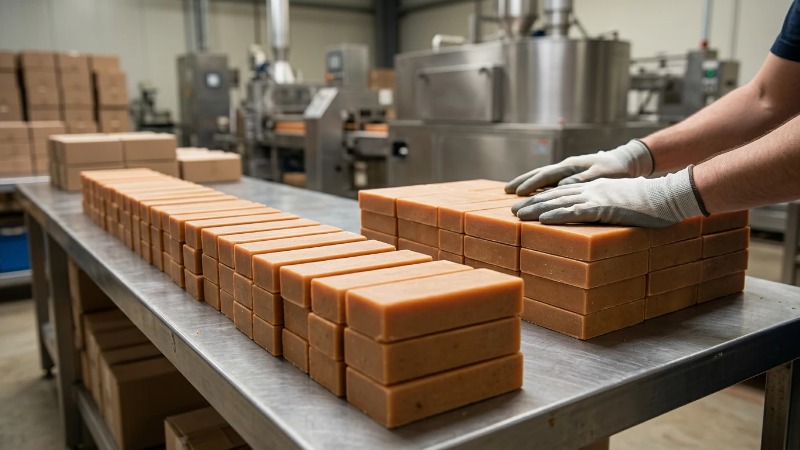
Тревожные сигналы в оптовом предложении на мыло Kakishibu
- Расплывчатый список ингредиентов, где указана просто "хурма" без уточнения — экстракт это или ферментированный танин.
- Отсутствие паспорта безопасности материала (MSDS) по запросу.
- Подозрительно низкий минимальный объём заказа (MOQ) для индивидуальной формулы — часто это признак ребрендинга белой этикетки.
- Нежелание проводить независимое тестирование или отказ назвать происхождение хурмы.
Польза мыла с хурмой для кожи — история, которую продаёт ваша этикетка
Текст на этикетке должен быть одновременно убедительным и обоснованным. Преувеличите — привлечёте внимание регуляторов и создадите проблему с доверием, когда клиенты заметят несоответствие. Вот честная версия.
Обоснованные преимущества
Польза мыла с хурмой для кожи, за которую вы можете поручиться, действительно привлекательна. Танин даёт вяжущий эффект, сужающий поры, что подходит для жирной и комбинированной кожи. Его способность связывать запахи поддерживает естественную дезодорацию. А как полифенол, он обладает антиоксидантными свойствами, о которых стоит упоминать со сдержанными формулировками.
Формулируйте каждое утверждение сдержанно — "помогает визуально сузить поры", "поддерживает естественный контроль запаха" — и вы получите маркетинг, который одновременно привлекателен и безопасен.
Где маркетинг переходит границы
Заявления, которые доставляют брендам неприятности, — это утверждения о "детоксе" и "лечении акне". Мыло находится на коже считаные секунды; оно ничего не детоксицирует, и ни одно косметическое мыло не лечит акне. Подобные заявления привлекают внимание регуляторов и подрывают доверие, на котором строятся повторные покупки. Сдержанность здесь — не слабость, а тот самый принцип E-E-A-T, который сохраняет доверие к вашему бренду.
Позиционирование, которое не превращает товар в ширпотреб
Самая большая ошибка — продавать хурмовое мыло так же, как и любое другое. Если ваш покупатель может найти более дешёвый аналог за два клика, вы уже проиграли. Дифференциация — это вся суть игры.
Комплекты, сторителлинг и якорение цены
Опирайтесь на историю наследия — многовековая традиция каки-сибу даёт вам сюжет, к которому не приблизятся конкуренты, продающие обычное фруктовое мыло. Объедините мыло в подарочные наборы или подписку, ориентированную на покупателей альтернатив дезодорантам, чтобы продавать систему, а не товар массового спроса. Якорите цену на премиальный ориентир, а не на самый дешёвый брусок на полке.
Соответствие каналу: DTC, розница или амениты
Премиальные ферментированные формулы каки-сибу процветают в прямых продажах потребителю и специализированной рознице, где можно рассказать историю и удержать цену. Более лёгкие версии на основе экстракта подходят для каналов амените и подарков, где презентация важнее концентрации танинов. Подберите формулу под канал — и маржа сохранится; ошибётесь — и уже через квартал придётся снижать цену.
Вердикт для владельцев брендов
Мыло из хурмы стоит того для нишевых брендов, у которых есть реальный план дифференциации и проверенный производитель за спиной. История ингредиента подлинная, маржа здоровая, а сегменты повторных покупок реальны. Чего оно не является — так это безопасным «мне тоже» брендом: подойдите к нему так, и вы окажетесь среди брендов с нераспроданными запасами.
Принимайте решение на основе цифр и позиционирования, а не новизны. Если вы можете рассказать историю каки-сибу и обосновать премиальную цену, этот продукт вас вознаградит. Если нет — вложите капитал в другое место.
Следующий шаг
Прежде чем брать на себя обязательства по любому оптовому заказу мыла из хурмы на заказ, проведите подготовительную работу. Запросите образцы состава как минимум из двух партий, задайте пять контрольных вопросов каждому поставщику в вашем шорт-листе и подтвердите сертификаты в письменном виде. Начните с образцов, проверьте документацию, затем масштабируйтесь. Если вам нужен структурированный чек-лист проверки поставщиков или консультация по поиску поставок, чтобы проверить полученные коммерческие предложения на прочность, свяжитесь с нами до подписания заказа на закупку — час, потраченный сейчас, защитит партию, которую вы профинансируете позже.
Часто задаваемые вопросы
В: Выгодно ли мыло с хурмой как продукт под собственной торговой маркой?
О: Да, если позиционировать его как нишевый премиальный продукт. Валовая маржа обычно составляет 65–80% при средних и оптовых объёмах, хотя затраты на оснастку, тестирование и доставку в первый год снижают этот показатель. Как обычный брусок мыла, конкурирующий по цене, он редко оправдывает своё место на полке.
В: Какой минимальный заказ для мыла с хурмой по индивидуальному заказу?
О: Полностью индивидуальные рецептуры обычно начинаются от 1000–3000 брусков, тогда как некоторые поставщики мыла с хурмой под собственной торговой маркой предлагают партии без бренда от 100–500 штук. Очень низкий минимальный объём заказа для «индивидуальной» рецептуры часто указывает на ребрендинг, а не на настоящее производство.
В: Действительно ли мыло с хурмой помогает от запаха тела?
О: Танин, содержащийся в хурме, связывается с веществами, вызывающими запах, поэтому настоящее мыло какисибу действительно помогает справиться с запахом тела во время и сразу после мытья. Это очищающий и дезодорирующий эффект, а не замена антиперспиранту, и именно так его следует продвигать.
В: Какисибу или мыло с экстрактом хурмы — что выбрать для ассортимента?
О: Выбирайте ферментированный какисибу, если ваша аудитория ценит подлинность и дезодорирующий эффект — покупатели J-beauty и натуральных дезодорантов. Мыло с экстрактом хурмы подходит для подарочных и гостиничных линий, где аромат и оформление важнее концентрации активных веществ.
В: Как проверить поставщика мыла с хурмой под собственной торговой маркой?
О: Убедитесь, что поставщик владеет рецептурой, может проследить происхождение хурмы, имеет сертификат ISO 22716 GMP и предоставляет паспорт безопасности (MSDS) вместе с сопутствующей документацией. Запросите образцы из двух партий, чтобы проверить стабильность качества перед оформлением оптового заказа.