

После более чем десяти лет работы с чистящими средствами и товарами для ухода за домом мне по-прежнему снова и снова задают один и тот же вопрос: "Нужно ли мне вообще чистить посудомоечную машину?" Короткий ответ — да, действительно нужно. Я хочу поделиться тем, что узнал о правильном использовании таблеток для очистки посудомоечной машины, опираясь на то, что, как я видел, успешно работает и идёт не так в тысячах реальных домов.
Почему вашей посудомоечной машине нужна регулярная глубокая очистка
Вот что большинство людей не осознаёт: ваша посудомоечная машина не очищается сама. Несмотря на то что она каждый день использует горячую воду и моющее средство, жир, известковый налёт, частицы пищи и бактерии незаметно накапливаются в местах, которые вы не можете легко увидеть — в разбрызгивателях, корпусе фильтра, уплотнителях двери и на внутренних стенках.
Этот затхлый запах, когда вы открываете дверцу? Это тревожный сигнал. Бактерии и плесень активно размножаются в тёплых влажных щелях. Большинство потребителей не задумываются об уходе, пока их "чистые" бокалы не начинают выходить мутными или тарелки не приобретают неприятный запах.
По моему профессиональному опыту, я бы оценил, что более 70% домохозяйств полностью пропускают регулярный уход за посудомоечной машиной. Они принимают меры только тогда, когда проблему уже невозможно игнорировать.
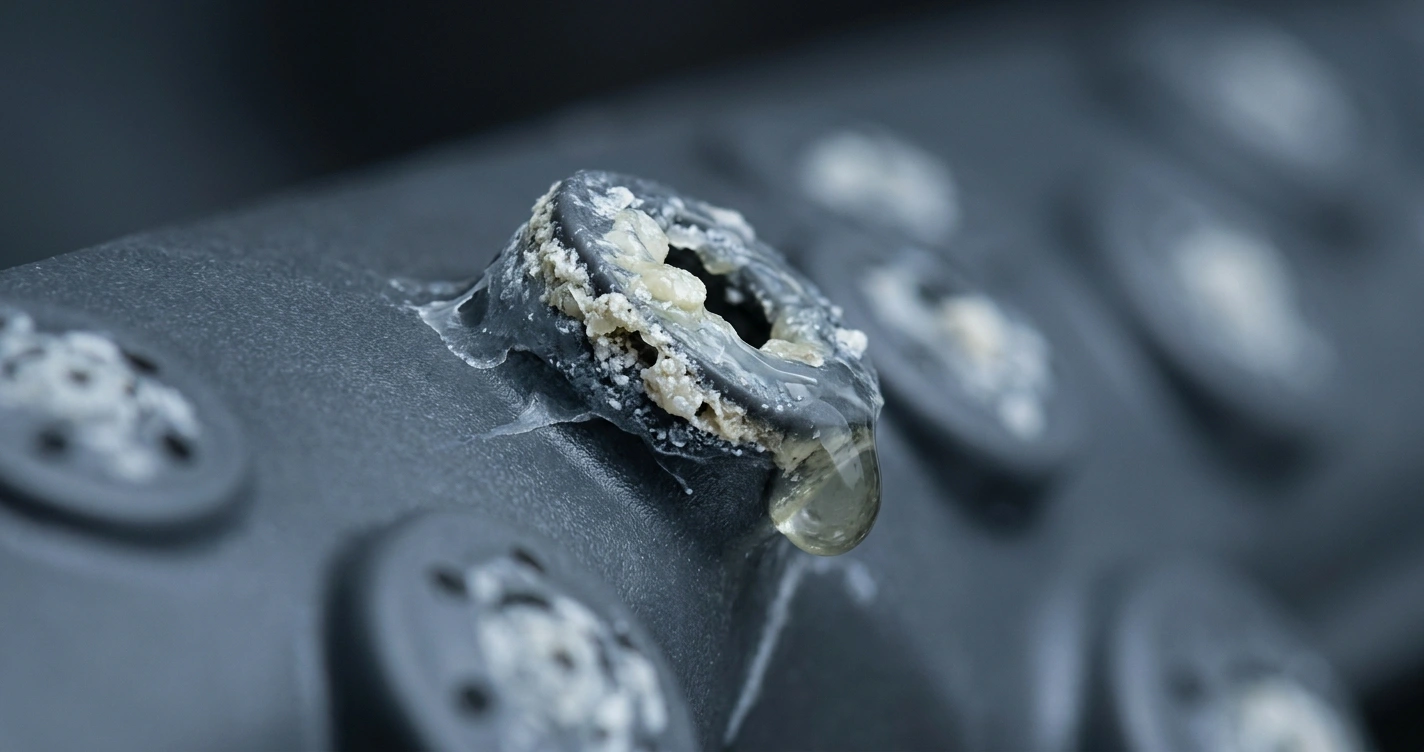
Что происходит, когда вы пренебрегаете уходом за посудомоечной машиной
Пренебрежение имеет реальные последствия. Минеральные отложения постепенно забивают крошечные отверстия в разбрызгивателях, снижая напор воды и эффективность очистки. Бактериальная биопленка — по сути, слизистый слой микроорганизмов — покрывает внутренние поверхности. Посуда выходит с жирной пленкой, водяными пятнами или стойкими запахами.
Что еще хуже, накопление загрязнений сокращает срок службы вашей машины. Согласно данным по ремонту бытовой техники, средняя стоимость ремонта посудомоечной машины составляет от $150–$350, тогда как годовой запас очищающих таблеток стоит около $15–$30. Это примерно разница в затратах 10:1 между ремонтом и профилактикой. Я лично видел машины, которые могли бы прослужить 12–15 лет, но их заменяли уже на 7-м году эксплуатации просто потому, что внутренние отложения повредили насос или нагревательный элемент.
Что такое таблетки для очистки посудомоечной машины и как они работают
Таблетки для очистки посудомоечной машины — это специально разработанные средства для ухода, предназначенные для очистки самой машины — а не вашей посуды. Это важное различие, которое сбивает с толку многих потребителей.
Большинство таблеток содержат комбинацию поверхностно-активных веществ (для удаления жира), ферментов (для расщепления остатков белков и крахмала), лимонной кислоты (для растворения известкового налета) и отбеливающих агентов на основе кислорода (для уничтожения бактерий и удаления пятен). Работая вместе, эти ингредиенты воздействуют на участки, до которых обычное средство для посудомоечной машины просто не может добраться во время стандартного цикла мойки.
Ваше повседневное моющее средство рассчитано на удаление пищевых загрязнений с поверхности посуды. Очищающая таблетка воздействует на внутренние компоненты машины — трубы, уплотнители и скрытые камеры, где загрязнения накапливаются неделями и месяцами.
Таблетки для очистки посудомоечной машины и DIY-методы (уксус и пищевая сода)
Скажу честно: у уксуса и пищевой соды есть свое место. Для легкого ухода между глубокими очистками запуск чашки белого уксуса на горячем цикле может помочь справиться с легкими запахами и поверхностными минеральными отложениями.
Но именно здесь DIY-методы уступают. Уксусу не хватает ферментативной силы, чтобы расщеплять жир и белковые отложения в трубах. Пищевая сода обладает мягким абразивным действием и может освежить машину, но она неэффективно растворяет известковый налет. И ни одно из этих средств не уничтожает бактерии так, как это делают отбеливающие агенты на основе кислорода.
Моя рекомендация: используйте уксус для быстрого ежемесячного освежения, если у вас мягкая вода и невысокая интенсивность использования. Для регионов с жесткой водой, интенсивной эксплуатации или в любой момент, когда вы замечаете снижение эффективности, подходящим решением будет качественная очищающая таблетка.
Пошаговое руководство: как правильно использовать таблетки для очистки посудомоечной машины
Именно на этом этапе большинство людей ошибается — не потому, что это сложно, а потому, что они пропускают шаги или делают предположения. Позвольте мне объяснить это максимально ясно.
Шаг 1 — Подготовьте посудомоечную машину
Уберите всю посуду, столовые приборы и, по возможности, корзины (нижнюю корзину можно оставить для размещения таблетки). Извлеките фильтр — обычно он находится внизу по центру камеры — и смойте под краном крупные остатки пищи. Быстро осмотрите разбрызгиватели. Если вы заметите отверстия, забитые остатками пищи или минеральными отложениями, прочистите их зубочисткой.
Эта подготовка занимает около двух минут, но значительно повышает эффективность действия таблетки.
Шаг 2 — Правильно разместите таблетку
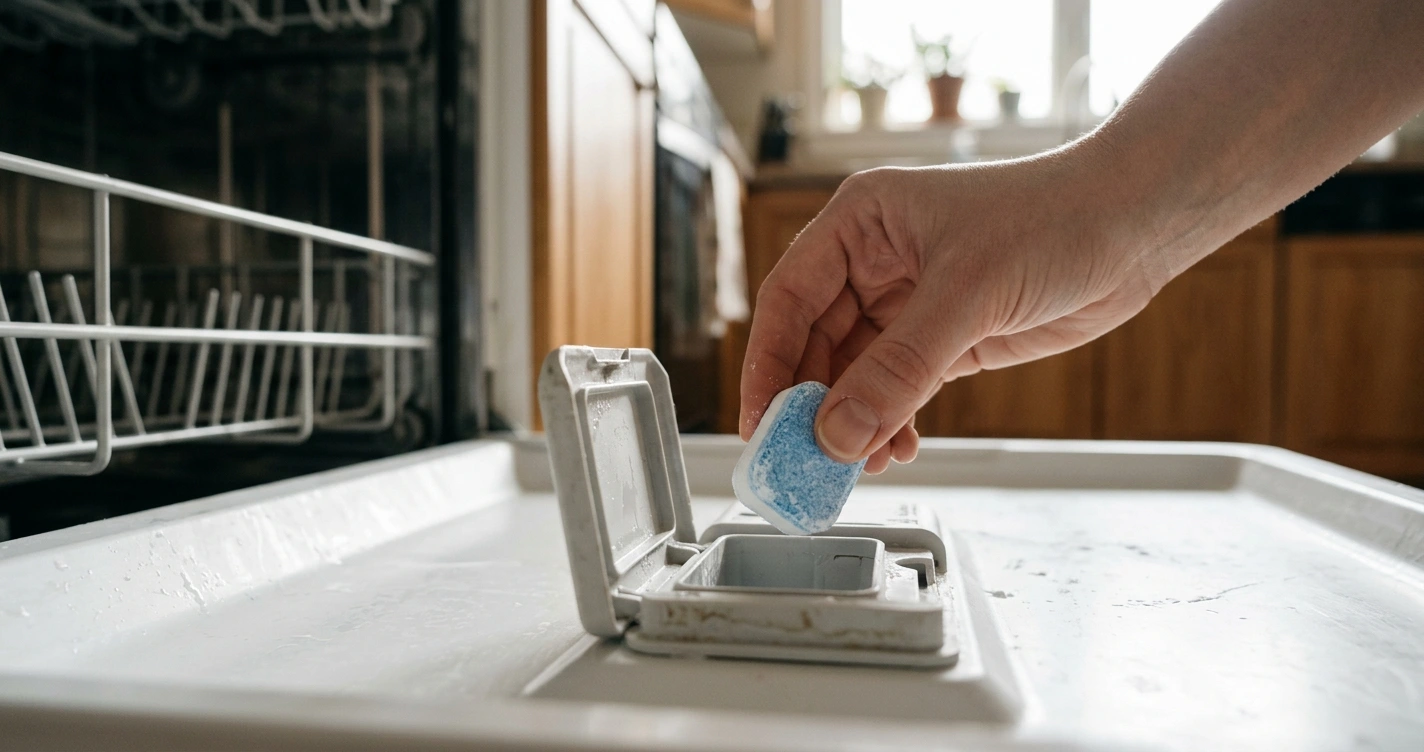
Здесь инструкции разных брендов различаются, поэтому всегда проверяйте информацию на упаковке. Большинство таблеток для очистки посудомоечных машин предназначены для размещения непосредственно на дне машины или в нижней корзине — а не в отсеке для моющего средства. Причина связана со временем растворения: такие таблетки разработаны так, чтобы растворяться сразу при попадании воды, высвобождая очищающие компоненты на протяжении всего цикла.
Если поместить их в дозатор, они могут не высвободиться до середины цикла, пропуская важнейшую фазу предварительной мойки. Некоторые бренды действительно рекомендуют использовать дозатор — следуйте их указаниям. Если вы сомневаетесь, дно камеры будет самым безопасным вариантом.
Шаг 3 — Выберите подходящий цикл мойки
Этот шаг критически важен. Выберите самый горячий и самый продолжительный цикл, доступный в вашей машине. Для полной активации очищающих компонентов температура воды должна составлять 60°C (140°F) или выше. Обычно оптимальным выбором является интенсивный цикл или режим сильного загрязнения.
Не используйте эко-режим. Эко-циклы работают при более низкой температуре и расходуют меньше воды — а это прямо противоположно тому, что требуется для глубокой очистки. Для эффективной работы таблетки необходимы максимальная температура, максимальный объём воды и максимальная продолжительность цикла.
Шаг 4 — Осмотр после цикла и протирка
После завершения цикла откройте дверцу и осмотрите внутреннюю камеру. Она должна стать заметно чище; возможно, на дне останутся отделившиеся загрязнения. Протрите уплотнитель дверцы и другие уплотнения влажной тканью — на этот участок во время цикла не попадает прямой поток воды, и именно здесь часто скапливается плесень.
Снова проверьте отверстия разбрызгивателей. Протрите края дверцы и область вокруг отсека для моющего средства. Затем оставьте дверцу слегка приоткрытой на час или два, чтобы всё полностью высохло на воздухе. Скопившаяся влага — лучшая среда для размножения бактерий.
Профессиональные советы для максимальных результатов очистки
После многих лет работы с этими продуктами и общения с потребителями, вот инсайдерская информация, которую не охватывает большинство инструкций.
Как часто следует использовать таблетки для очистки посудомоечной машины
Для среднего домохозяйства, запускающего 4–5 циклов в неделю, оптимально использовать их раз в месяц. Если вы живёте в районе с жёсткой водой или используете машину ежедневно, увеличьте частоту до одного раза в две недели. При редком использовании — например, около двух циклов в неделю — достаточно проводить обработку раз в квартал.
Признаки того, что вашей машине требуется немедленное внимание: стойкий запах даже после завершения цикла, видимые белые или меловые отложения на внутренних стенках, налёт или шероховатость на чистых бокалах, стоячая вода в области фильтра после завершения цикла или посуда, которая просто перестала выходить чистой.
Дополнительные привычки по уходу между глубокими очистками
Таблетки для очистки решают основные задачи, но ежедневные привычки помогают поддерживать бесперебойную работу между обработками. Счищайте остатки пищи с тарелок перед загрузкой — предварительное ополаскивание не требуется, но крупные куски пищи следует выбрасывать в мусор. Перед запуском цикла пустите горячую воду в кухонной раковине на 15–20 секунд, чтобы посудомоечная машина с самого начала набирала горячую воду.
Регулярно используйте ополаскиватель. Очищайте фильтр каждую неделю — это занимает 30 секунд. И после завершения каждого цикла слегка приоткрывайте дверцу, чтобы предотвратить накопление влаги и появление запаха.
Районы с жёсткой водой: дополнительные меры, которые следует принять
Если вы живёте в регионе с жёсткой водой — а примерно 85% территории US имеет воду от умеренно жёсткой до очень жёсткой — накипь является вашим главным врагом. Таблетки для очистки помогают, но вам также следует поддерживать заполненным резервуар для соли в вашей машине (если он предусмотрен) и рассмотреть использование таблеток, специально разработанных для жёсткой воды.
В таких районах я без исключений рекомендую проводить очистку раз в две недели. Накипь образуется быстрее, чем вы ожидаете. После затвердевания внутри труб её становится значительно сложнее удалить.
Распространённые ошибки, которых следует избегать при использовании таблеток для очистки посудомоечной машины
За годы работы с вопросами потребителей я снова и снова сталкивался с этими ошибками:
Запуск цикла очистки с посудой внутри. Концентрированная формула таблетки не предназначена для контакта с вашей посудой. Она не обеспечит эффективную очистку посуды и снижает способность таблетки воздействовать на поверхности машины.
Одновременное добавление обычного моющего средства. Не используйте оба средства сразу. Таблетка-очиститель справляется со своей задачей самостоятельно — моющее средство может фактически мешать действию очищающих компонентов.
Использование eco или холодных циклов. Низкая температура означает, что таблетка не растворится должным образом и не активируется полностью. Всегда выбирайте горячий режим.
Игнорирование фильтра. Если фильтр забит загрязнениями, даже самая эффективная таблетка не сможет это компенсировать. Сначала очистите его.
Использование просроченных таблеток. Да, у них есть срок годности. Активные ферменты и отбеливающие компоненты со временем теряют свои свойства. Проверьте дату на упаковке.
Путаница между очищающими таблетками и таблетками для мытья посуды. Это совершенно разные продукты. Один очищает машину, другой — посуду. Использование неподходящего средства в неподходящем контексте неэффективно.
Как выбрать подходящую таблетку для очистки посудомоечной машины
На рынке представлен широкий выбор, и оптимальное решение зависит от вашей конкретной ситуации. Вот что стоит учитывать:
Жесткость воды: если у вас жесткая вода, выбирайте таблетки с повышенным содержанием лимонной кислоты или средства, специально предназначенные для удаления известкового налета. В домах с мягкой водой можно эффективно использовать стандартные формулы.
Вопросы чувствительности: для домохозяйств, чувствительных к добавленным ароматизаторам, доступны варианты без отдушек. Некоторые отмечают, что таблетки с сильным ароматом оставляют заметный запах во время следующего цикла мытья посуды.
Экологические аспекты: все чаще доступны биоразлагаемые формулы без фосфатов. Некоторые бренды теперь предлагают водорастворимую упаковку для сокращения пластиковых отходов.
Степень загрязнения: если ваша машина не очищалась шесть месяцев или дольше, выбирайте средства с пометкой "intensive" или "deep clean". Для регулярного ежемесячного ухода отлично подойдут таблетки стандартной силы действия.
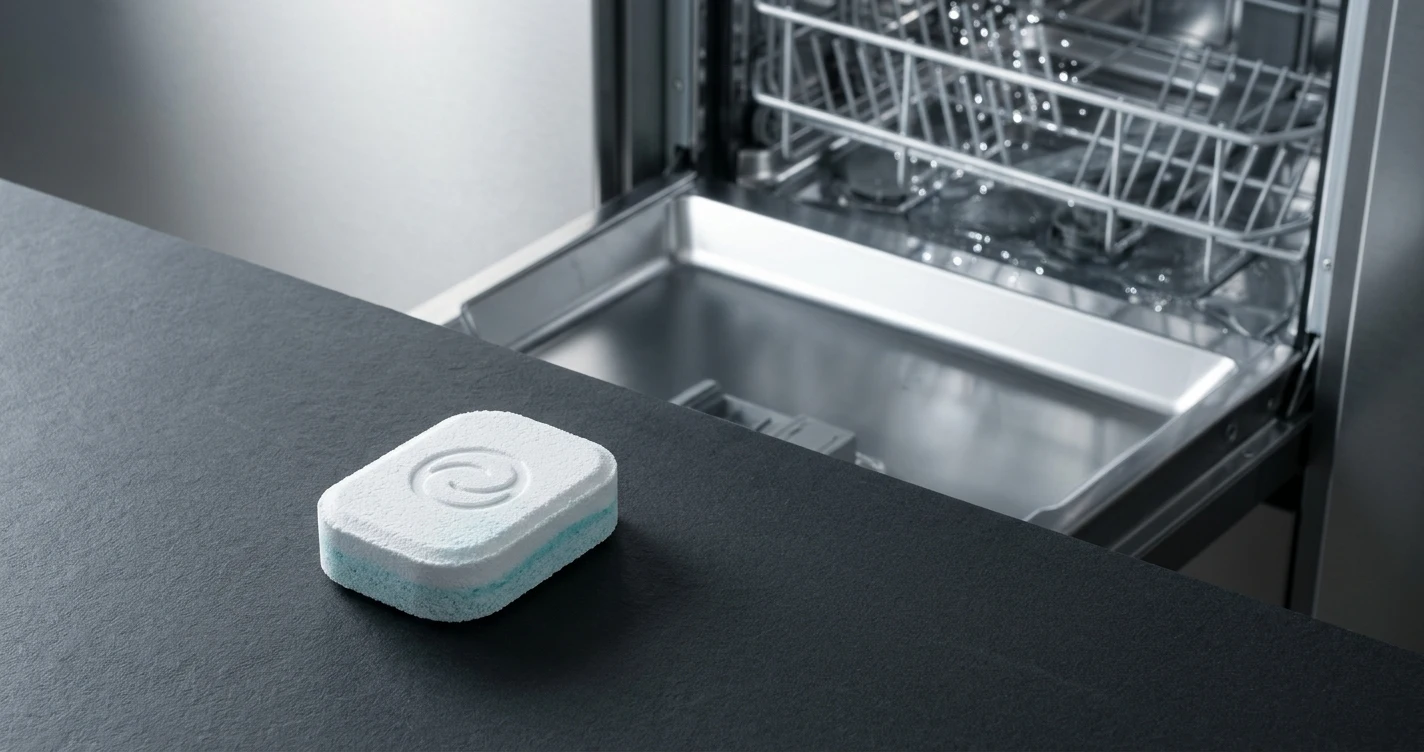
Итог: сделайте уход за посудомоечной машиной регулярной привычкой
Вот главное, что важно понять: очистка посудомоечной машины с помощью подходящей таблетки требует около пяти минут активных действий — остальное машина сделает сама. Достаточно одного раза в месяц, чтобы предотвратить образование налета, который приводит к дорогостоящему ремонту, неприятным запахам и неудовлетворительным результатам мойки.
Установите регулярное напоминание в телефоне — в первый день каждого месяца кладите одну таблетку. Это одна из самых простых привычек по уходу за домом, которая дает действительно заметный результат. Посуда будет выходить чище, машина прослужит дольше, и вы полностью избежите ситуации с вопросом "почему моя посудомоечная машина пахнет?".
Начните сегодня. Проверьте фильтр, осмотрите разбрызгиватели и запустите первый цикл очистки уже сегодня вечером. Ваша посудомоечная машина усердно работает для вас — обеспечьте ей уход, которого она заслуживает, и она будет эффективно служить вам еще долгие годы.
Часто задаваемые вопросы
В: Можно ли использовать таблетки для очистки посудомоечной машины, когда внутри находится посуда?
О: Нет. Таблетки для очистки содержат концентрированные химические вещества, предназначенные для поверхностей машины, а не для предметов, контактирующих с пищей. Использование их вместе с посудой снижает эффективность очистки самой машины и оставляет химические остатки на вашей посуде. Всегда запускайте цикл очистки с пустой машиной.
В: Безопасны ли таблетки для очистки посудомоечной машины для всех брендов посудомоечных машин?
О: В целом да. Большинство таблеток подходят для всех основных брендов — Bosch, Samsung, LG, Whirlpool, Miele и других. Тем не менее, если внутренняя камера вашей машины выполнена из пластика (что часто встречается в бюджетных моделях), проверьте упаковку таблеток на наличие примечаний о совместимости. Камеры из нержавеющей стали без проблем подходят для любых формул. Если есть сомнения, обратитесь к руководству вашей посудомоечной машины.
В: Сколько времени требуется, чтобы таблетка для очистки посудомоечной машины подействовала?
О: Достаточно одного полного горячего цикла — обычно от 1.5 до 2.5 часов в зависимости от вашей машины и выбранной программы. Как правило, результат заметен сразу: более чистые внутренние поверхности, более свежий запах и улучшенная работа при следующем цикле мойки. При сильном налете может быть полезна повторная обработка через неделю.
В: Могут ли таблетки для очистки посудомоечной машины удалить плесень?
О: Да, при поверхностной плесени. Кислородсодержащие отбеливающие вещества в большинстве таблеток эффективно уничтожают споры плесени и удаляют лёгкие пятна. Сильное распространение плесени — особенно в складках уплотнителя или за дверной панелью — может потребовать сначала ручной очистки разбавленным раствором отбеливателя, а затем цикла с таблеткой для внутренних зон.
В: Стоит ли использовать таблетки для очистки посудомоечной машины или лучше просто заменить машину?
О: С точки зрения затрат разница очевидна. Новая посудомоечная машина стоит $400–$900 за модель среднего класса, плюс установка. Год ежемесячного использования очищающих таблеток стоит $15–$30. Регулярное обслуживание может продлить срок эффективной службы вашего прибора на 3–5 лет. Если только у вашей машины нет механической неисправности, не связанной с отложениями, её очистка всегда является более разумным финансовым решением.